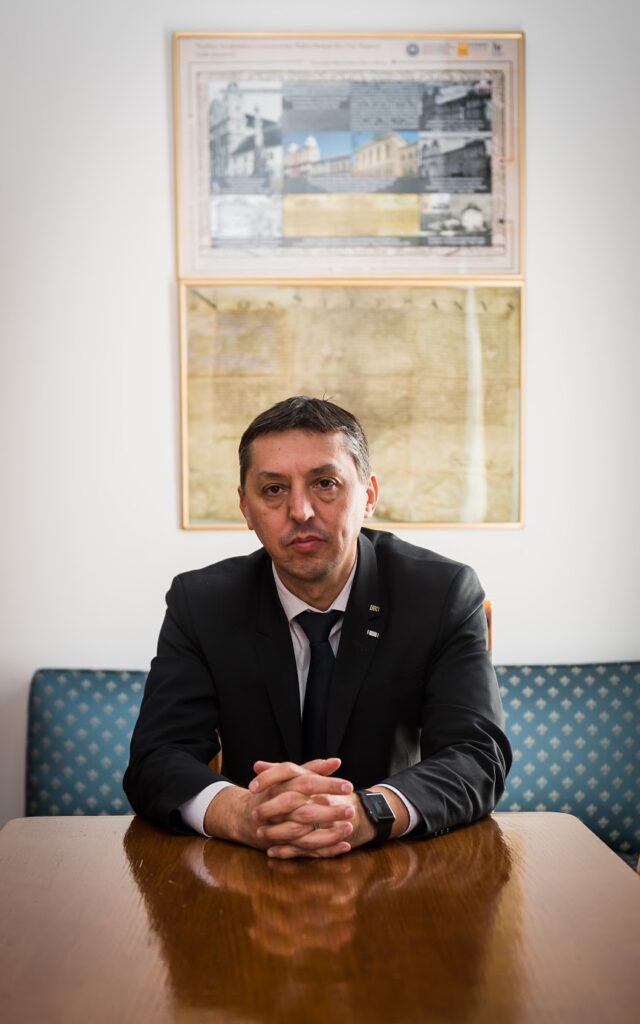
Diana NECHITA – Main Page

Associate Professor Diana NECHITA, PhD

Diana Nechita is an associate professor at the Department of Clinical Psychology and Psychotherapy, from Babes-Bolyai Cluj-Napoca University. She is a clinical psychologist and a cognitive-behavioral therapist certified by the Romanian Board of Psychologists and the Albert Ellis Institute of New York. Diana is also a supervisor in cognitive-behavioral psychotherapies.

Her research interests are evidence-based psychological interventions and self-conscious emotions and their relationship with psychopathology (mood and anxiety disorders, eating disorders), focusing on their regulation.

Teaching

Subjects taught:

  • Clinical psychology, psychological counseling, individual and group psychotherapies
  • Positive psychology
  • Cognitive-behavioral psychotherapy
  • Forensic counseling and psychotherapy

Schedule for hearings:

Fridays: 10:00 – 12:00 – with prior email appointment

Contact address: No. 37 Republicii Street, 400015, Cluj-Napoca, Romania

Email: diananechita@psychology.ro

Research Interests:

  • Self-conscious emotions and their relationship with psychopathology
  • Naturalistic interventions in the context of eating disorders
  • Self-compassion as a protective factor in psychopathology
  • Evidence-based psychological interventions

Projects & Grants:

Publications:

  • 2022
    • Crisan, S. M., & Nechita, D. M. (2022). Maladaptive emotion regulation strategies and trait anger as predictors of depression severity. Clinical Psychology & Psychotherapy, 29(3), 1135-1143. https://doi.org/10.1002/cpp.2702
    • Crisan, S., Canache, M., Buksa, D., & Nechita, D. (2022). A Comparison Between Self-compassion and Unconditional Self-acceptance: Interventions on Self-blame, Empathy, Shame-, Guilt-Proneness, and Performance. Journal of Rational-Emotive & Cognitive-Behavior Therapy, 1-17.
    • David, D., Szentagotai, A., Nechita, D., & Ştefan, S. (2022). Psychotherapy Models: A Historical Perspective. Comprehensive Clinical Psychology, 1-25. https://doi.org/10.1016/b978-0-12-818697-8.00098-4
    • Miu, A. C., Szentágotai-Tătar, A., Balázsi, R., Nechita, D., Bunea, I., & Pollak, S. D. (2022). Emotion regulation as mediator between childhood adversity and psychopathology: A meta-analysis. Clinical Psychology Review, 102141. https://doi.org/10.1016/j.cpr.2022.102141
  • 2021
    • Crisan, S. M., & Nechita, D. M. (2021). Maladaptive emotion regulation strategies and trait anger as predictors of depression severity. Clinical Psychology & Psychotherapy. https://doi.org/10.1002/cpp.2702
    • Cristea, I. A., & Nechita, D. M. (2021). Effective psychological interventions for relapse prevention in schizophrenia. The Lancet. Psychiatry. https://doi.org/10.1016/s2215-0366(21)00351-5
    • Nechita, D. M., Bud, S., & David, D. (2021). Shame and eating disorders symptoms: A meta-analysis. International Journal of Eating Disorders. https://doi.org/10.1002/eat.23583
    • Szentágotai-Tătar, A., Miu, A. C., Nechita, D. M., & David, D. (2021). Rational Emotive Behavior Therapy and happiness. In W. Dryden (Ed.), New Directions in Rational Emotive Behaviour Therapy (pp. 142-160). Routledge.
    • Ceclan, A. A., & Nechita, D. M. (2021). The effects of self‐compassion components on shame-proneness in individuals with depression: An exploratory study. Clinical Psychology & Psychotherapy. https://doi.org/10.1002/cpp.2560
  • 2020
    • Szentagotai-Tătar, A., Nechita, D. M., Miu, A.C (2020). Shame in Anxiety and Obsessive-Compulsive Disorders. Curr Psychiatry Rep., 22(4). doi: 10.1007/s11920-020-1142-9
    • Cândea, D. M., & Szentágotai-Tătar, A. (2020). Cognitive Reappraisal as an Emotion Regulation Strategy for Shame: Comparing Self-Distancing to Changing Self-Evaluations. International Journal of Cognitive Therapy, 13(1), 42-53. doi: https://doi.org/10.1007/s41811-019-00064-4
  • 2019
    • Cândea, D.M & Bud, S. (2019). Programe de intervenție pentru depresie. În V. Enea (Ed.), Intervenții psihologice în școală. Manualul consilierului școlar. (pp.265-275). Iași: Polirom
    • Prefit, A.B., Cândea, D.M. & Szentagotai-Tătar, A. (2019). Emotion regulation across eating pathology: A meta-analysis. Appetite. 143:104438. doi: 10.1016/j.appet.2019.104438
    • Cândea, D.M., Ceclan, A., Cionca, S., & Szentagotai-Tătar, A. (2019). Self-Compassion and Mental Illness: A Review of Theoretical and Empirical Evidence. Part II. In Galiana L. & Sanso N. (Eds), The Power of Compassion. New York: Nova Science Publishers.
    • Cândea, D.M., Ceclan, A., Cionca, S., & Szentagotai-Tătar, A. (2019). Self-Compassion and Mental Illness: A Review of Theoretical and Empirical Evidence. Part I. In Galiana L. & Sanso N. (Eds), The Power of Compassion. New York: Nova Science Publishers.
    • David, D., Cardoș, R., Cândea, D., Oltean, H., Ştefan, S. (2019). REBT and Depressive Disorders. In Dryden W. & Bernard M. (Eds.), REBT with Diverse Client Problems and Populations (pp.23-44). Cham: Springer
    • Szentagotai-Tătar, A., Cândea, D.M., David, D.O. (2019). REBT and Positive Psychology. In Bernard M. & Dryden W. (Eds.), Advances in REBT (pp.246-266). Cham: Springer.
    • Prefit, A.B., Cândea, D.M. & Szentagotai-Tătar, A. (2019). Effects of acceptance and reappraisal on body dissatisfaction: an experimental comparison of two adaptive emotion regulation strategies. Eat Weight Disord. https://doi.org/10.1007/s40519-019-00691-y
  • 2018
    • Cândea, D., Stefan, S., Matu, S., Mogoase, C., Iftene, F., David, D., & Szentagotai, A. (2018). REBT in the Treatment of Subclinical and Clinical Depression. Cham: Springer International Publishing.
    • Căzănescu, D. G., Tecuta, L., Cândea, D.M., Szentágotai-Tătar, A. (2018). Savoring as Mediator Between Irrational Beliefs, Depression, and Joy. Journal of Rational-Emotive & Cognitive-Behavior Therapy. doi: 10.1007/s10942-018-0304-8
    • Cȃndea, D. M., & Szentágotai-Tătar, A. (2018). Shame-proneness, guilt-proneness and anxiety symptoms: A meta-analysis. Journal of Anxiety Disorders, 58, 78-106. doi: 10.1016/j.janxdis.2018.07.005
    • Cȃndea, D. M., & Szentágotai-Tătar, A. (2018). The Impact of Self-Compassion on Shame-Proneness in Social Anxiety. Mindfulness, (9), 1816-1824. doi: 10.1007/s12671-018-0924-1
    • Cândea, D. M., David, D. & Szentágotai-Tătar, A. (2018). Evidence-Based Psychological Interventions for Eating Disorders. In D. David, S. J. Lynn & G. H. Montgomery (Eds.), Evidence-Based Psychotherapy: The State of the Science and Practice (pp.189-218). New York: Wiley.
  • 2017
    • Cândea, D. M., & Szentágotai-Tătar, A. (2017). Evaluarea tulburărilor de anxietate. În V. Enea & I. Dafinoiu (Eds.), Evaluarea psihologica. Manualul psihologului clinician (pp.400-414). Iași: Polirom.
    • Cândea, D. M., & Vălenas, S.P., & Szentágotai-Tătar, A. (2017). Altruismul. In A. Szentagotai-Tătar & D. David (Eds.), Tratat de Psihologie Pozitivă (pp. 111-127). Iași: Polirom.
    • Cândea, D. M., & Szentágotai-Tătar, A. (2017). Shame as a predictor of post-event rumination in social anxiety. Cognition and Emotion, 31(8), 1684-1691. doi: 10.1080/02699931.2016.1243518
  • 2016
    • Cândea, D.M., Cotet, C. D., & Matu, S. A (2016). Do Psychologists Offer Coaching Services? Preliminary Results from a Survey on CBT Practitioners. Journal of Evidence-Based Psychotherapies, 16(1), 57-66.
  • 2015
    • Szentagotai-Tatar, A., David, D., Brustur, G. I, Burca, C., Cicodei, I., Popescu, M., Radu, E, Cândea, D. & Valenas, S. (2015). Protocol clinic de grup pentru depresie destinat femeilor private de libertate. Craiova: Sitech.
    • Cândea, D. M., Cotet, C. D., Stefan, S., Valenas, S. P., & Szentagotai-Tatar, A. (2015). Computerized cognitive training for working memory in older adults: A review. Transylvanian Journal of Psychology, 16(2), 141-161.
    • Szentágotai-Tătar, A., Chiș, A., Vulturar, R., Dobrean, A., Cândea, D. M., & Miu, A. C. (2015). Shame and Guilt-Proneness in Adolescents: Gene-Environment Interactions. PloS one, 10(7), e0134716. doi: 10.1371/journal.pone.0134716
  • 2014
    • Cândea, D. M., & Szentágotai-Tatar, A. (2014). Does Shame-Proneness Enhance our Understanding of Social Anxiety beyond Classical Cognitive Constructs?. Transylvanian Journal of Psychology, 15(1), 33-47.
    • Cândea, D. M. & Szentagotai-Tatar, A. (2014). Shame, Body Image and Eating Disorders: A conceptual and Empirical Map. In K. G Lockhart (ed.), Psychology of Shame: New Research (pp. 121-140). New York: Nova Science Publishers.
    • Cândea, D. M., Matu, S. A., & Szentágotai, A. (2014). Individual Differences in Shame-proneness and Trait Rumination as Predictors of Depressive Symptoms. Procedia-Social and Behavioral Sciences, 127, 277-281.
  • 2013
    • Cândea, D. M., & Szentagotai, A. (2013). Shame and psychopathology: from research to clinical practice. Journal of Cognitive and Behavioral Psychotherapies, 13(1), 101-113.

Daniel DAVID – Main Page

Professor “Aaron T. Beck” Daniel DAVID, Ph.D.

Daniel David, Professor, Ph.D. of clinical cognitive (neuro)sciences, is the Rector of Babes-Bolyai University (since 2020), Director of Research and Diplomate/Supervisor at the Albert Ellis Institute (AEI), New York, USA and president/director of the International Institute for the Advanced Studies of Psychotherapy and Applied Mental Health. He is also a supervisor in the Academy of Cognitive and Behavioral Therapies. After his graduate (Babeş-Bolyai University) and postgraduate (Icahn School of Medicine at Mount Sinai) studies, he received a professorship position at the Babeș-Bolyai University, Cluj-Napoca, Romania and an adjunct professorship position at the Icahn School of Medicine at Mount Sinai, New York, USA. He is one of the world leaders in promoting evidence-based approaches in clinical psychology/psychotherapy and technology-based clinical psychology/psychotherapy. Professor David is currently the most cited psychologist in Romania (h index, included among the top 2% (SCOPUS) most cited scientists in the world in 2019 and 2020, across all science fields:

(https://journals.plos.org/plosbiology/article?id=10.1371/journal.pbio.3000918)

Teaching

Subjects taught:

  • Clinical Psychology and Psychotherapy, Bachelor and Graduate level.
  • General Research Methods, Ph.D. level

Schedule for hearings:

Appointments by e-mail: daniel.david@ubbcluj.ro

Research Interests:

  • The role of cognitive mechanisms, both explicit (e.g., autobiographical
    memory) and implicit (e.g., implicit memory/learning; priming) in generating subjective/emotional (cognition-emotion relation), behavioral, and psycho-physiological human responses
  • Evidence based psychotherapy, with a focus on clinical trials, with multilevel analyses, concerning (1) outcomes (i.e., efficacy and/or effectiveness); (2) theory/mechanisms of change (both psychological and neurobiological); and (3) economical aspects (e.g., cost-effectiveness, cost-utility)
  • The use of technological developments in clinical psychology/ psychotherapy (i.e., virtual/augmented reality therapy; robotherapy)

Projects & Grants: (selection):

  • European Commission II: DREAM Development of Robot-Enhanced therapy for children with AutisM spectrum disorders (2014 – 2018) (coord. partener)
  • Education for Care – EDUCARE, 527360-LLP-2012-IT-GRUNDVIG-GMP, Leonardo da Vinci (coord. partener)
  • CNFIS, Fond de dezvoltare instituțională:  CNFIS-FDI-2019-0351 Susţinerea cercetării de excelenţă la Universitatea Babes-Bolyai la centenar 1919-2019 (director)
  • SEE Fonduri Structurale: 4NORM-ality Îmbunătățirea Serviciilor Corecționale în România prin Implementarea Principiului Normalității 2019 – 2022 (coordonator partener)
  • MCI, PNIII-1.2PDI-PFC-C1-PFE-404 – Infrastructura strategică la Universitatea Babeș-Bolyai în contextul dezvoltării de tehnologii noi și emergente 2018-2020 (director)
  • UEFISCDI, PNIII – P4 – Cercetare fundamentală și de frontieră, PN-III-P4-ID-PCCF-2016 -Înţelegerea şi modelarea structurilor spaţio-temporale ale inegalităţilor şi polarizării în relaţie cu caracteristicile psihologice – STIP, 2018-2022 (director)
  • UEFISCDI Parteneriate SWARA: Mobile System for Rehabilitative Vocal Assistance of Surgical Aphonia, 2014 – 2016 (coord. partener)
  • CNCSIS Grant PNCDI-MEdC: Rolul psihoterapiei cognitiv-comportamentale în tratamentul chirurgical parodontal: un studiu clinic controlat, 2009-2011, (director)
  • CNCSIS Grant CEEX-MEdC (Capacităţi): O Platformă de Psihoterapie Prin Realitate Virtuală., 2007-2009 (director)
  • CNCSIS Grant CEEX-MEdC (Proiecte complexe): Eficacitatea psihoterapiei versus medicaţiei non-stimulante în ADHD la copiii cu vârsta între 6 şi 11 ani; Un studiu clinic controlat multicentric, 2006-2009 (director)
  • CNCSIS Grant CEEX-MEdC (Grant postdoctoral): Psihoterapii validate ştiinţific, 2006-2008 (director)
  • CNCSIS Grant tip A: Psihoterapie versus medicaţie în tratamentul tulburării depresive majore; Un studiu clinic randomizat, 2004-2007 (director)

Books (Selection)

Cândea, D., Stefan, S., Matu, S., Mogoase, C., Iftene, F., David, D., & Szentagotai, A. (2019). REBT in the treatment of subclinical and clinical depression. New York: Springer Nature.

David, D. (2015). Psihologia poporului român. Profilul psihologic al românilor într-o monografie cognitiv-experimentală.[The Psychology of the Romanian People. Romanian’s Psychological Profile in a Cognitive-Experimental Monography]. Iași: Editura Polirom.

David, D., Matu, S., & David, O. (2015). Psihologie si tehnologie. Fundamente de roboterapie și psihoterapie prin realitate virtuală.[Psychology and Technology. Fundamentals of Robotherapy and Psychotherapy through Virtual Reality] Iași: Editura Polirom.

David, D. (2006/2012/2017). Tratat de psihoterapii cognitive şi comportamentale. [Handbook of Cognitive-Behavioral Psychotherapies]. Iași: Editura Polirom.

David, D. (2006/2013). Psihologie clinică şi psihoterapie; Fundamente. [Clinical Psychology and Psychotherapy. Fundamentals]. Iași: Editura Polirom.

David, D. (2006). Metodologia cercetării clinice; Fundamente. [Clinical Research Methods. Fundamentals]. Iași: Editura Polirom.

David, D. (2003). Castele de nisip: Ştiinţă şi pseudoştiinţă în psihopatologie.[Castles in the Sand: Science and Pseudoscience in Psychotherapy]. Bucharest: Editura Tritonic.

David, D. (2000/2004/). Prelucrări inconştiente de informaţie.[Unconscious Information Processing]. Ed. 1 (2000, Cluj-Napoca: Editura Dacia); Ed. 2 (2004, București: Editura Tritonic).

Book editor and/or chapter author (Selection)

Stefan, S., & David, D. (2021). Case formulation for complexity and co-morbidity in anxiety disorders and depression. In G. Todd & R. Branch (Eds.), Evidence-based treatment for anxiety disorders and depression: A cognitive behavior therapy compendium. Cambridge University Press.

David, D., Matu, S. A., & Cardos, R.A. (2020). Applications of Rational-Emotive and Cognitive-Behavior Technologies with children and adolescents. In M.E. Bernard & M.D. Terjesen (Eds.), Rational-Emotive and Cognitive-Behavioral Approaches to child and adolescent mental health: Theory, Practice, Research, Applications. New York: Springer Nature.

David, D., Cardoș, R., Cândea, D., Oltean, H., & Stefan, S. (2019). REBT in depressive disorders. In M.E. Bernard & W. Dryden (Eds.), REBT with diverse client problems and populations. New York: Springer Nature.

David, D., DiGiuseppe, R., Dobrean, A., Păsărelu, C.R., & Balazsi, R. (2019). The measurement of irrationality and rationality. In M.E. Bernard & W. Dryden (Eds.), Advances in REBT: Theory, practice, research, measurement, prevention, and promotion. New York: Springer Nature.

David, D., Lynn, S., & Montgomery, G.H. (Eds. 2018). Evidence-based psychotherapy: The state of science and practice. New York: Wiley-Blackwell.

Cândea D., David, D., & Szentagotai-Tătar, A. (2017). Evidence-based psychological interventions for eating disorders. In D. David, S. Lynn, & G. Montgomery (Eds.), Evidence based psychotherapy: The state of science and practice. New York: Wiley-Blackwell.

David, D., & Stefan, S. (2017). Eastern Europe. In Hofmann, S.G. (Ed.), International perspectives on psychotherapy. New York: Springer Nature.

Szentagotai-Tătar, A., & David, D. (2017). Evidence-based psychological interventions for bipolar disorder. In D. David, S. Lynn, & G. Montgomery (Eds.), Evidence-based psychotherapy: The state of science and practice. New York: Wiley-Blackwell.

David, D. (2015). Rational emotive behavior therapy. In R.L. Cautin & S.O. Lilienfeld (Eds.), Encyclopedia of clinical psychology. Hoboken, NJ: Wiley-Blackwell.

David, D., & Sava, F. (2015). Designs for Studying Mediation. In R.L. Cautin & S.O. Lilienfeld (Eds.), Encyclopedia of clinical psychology. Hoboken, NJ: Wiley-Blackwell.

David, D., & Freeman, A. (2015). Overview of cognitive-behavioral therapy of personality Disorders. In A.T. Beck, D.D. Davis, & A. Freeman (Eds.), Cognitive therapy of personality disorders, third edition. New York: Guilford Press.

Simut, R. Vanderborght, B., Pop, C., David, D., Vanderfaeillie, J., & Vanderborght, B. (2015). Social robots as mediators for social story intervention: Can the robot Probo encourage children with ASD to ask questions during playtime. In S. Douglas & L. Stirling (Eds.), Children’s play, pretense, and story: Studies in culture, context, and ASD. London: Routledge.

David, D. (2014). Rational emotive behavior therapy. Oxford Bibliographies.

David, D., Lynn, S. J., & Lama S. Das (2013). Self-acceptance in Buddhism and Psychotherapy. In M.E. Bernard (Ed.), The Strength of self-acceptance. New York: Springer Nature.

Szentagotai, A., & David, D. (2013). Self-acceptance and happiness. In M.E. Bernard (Ed.), The Strength of self-acceptance. New York: Springer Nature.

Gavita, O. A., DiGiuseppe, R., & David, D. (2013). Self-acceptance and the parenting of children. In M.E. Bernard (Ed.), The Strength of self-acceptance. New York: Springer Nature.

Web of Science Articles (Selection)

Bartucz, M.B., & David, D. (2022). Irrational beliefs as a cognitive mechanism explaining the link between pathogen prevalence and individualism-collectivism. Journal of Rational – Emotive and Cognitive-Behavior Therapy. https://doi.org/10.1007/s10942-021-00441-z

Comșa, L.T., David, O.A., & David, D. (2021). Eating Behavior – Choice or reconstruction of past experience? A randomized clinical trial of changing eating intentions of healthy adults through hypnotic suggestions. Behavior Therapy, 53 (2), 323-333.

David, O.A., Cîmpean, A., Costescu, C., …Hickey, M., & David, D. (2021). Effectiveness of outpatient Rational Emotive Behavior Therapy over one decade. American Journal of Psychotherapy, 74(4), 157–164.

Nechita, D.M., Bud, S., & David, D. (2021). Shame and eating disorders symptoms: A meta-analysis. International Journal of Eating Disorders, 54(11), 1899–1945.

Milea, I., Cardoş, R. A., & David, D. (2021). The map of cognitive processes in boredom: multiple mediation models. Behavioural and Cognitive Psychotherapy, 49(4), 441-453.

David, D., Dobrean, A., Păsărelu, C.R. et al. (2020). Psychotherapy, Atomoxetine or both? Preliminary evidence from a comparative study of three types of treatment for Attention-Deficit/Hyperactivity Disorder in children. Cognitive Therapy and Research, 45, 149–165.

Fodor, L. A., Georgescu, R., Cuijpers, P., Szamoskozi, Ş., David, D., Furukawa, T. A., & Cristea, I. A. (2020). Efficacy of cognitive bias modification interventions in anxiety and depressive disorders: A systematic review and network meta-analysis. The Lancet Psychiatry, 7(6), 506-514.

Billing, E., Belpaeme, T., Cai, H., Cao, H. L., Ciocan, A., Costescu, C., David, D…, & Ziemke, T. (2020). The DREAM Dataset: Supporting a data-driven study of autism spectrum disorder and robot enhanced therapy. PloS one, 15(8), e0236939.

Comșa, L., David, O., & David, D. (2020). Outcomes and mechanisms of change in cognitive-behavioral interventions for weight loss: A meta-analysis of randomized clinical trials. Behaviour Research and Therapy, 132, 103654.

Predatu, R., Voinescu, B. I., & David, D. (2020). The role of emotion regulation difficulties in the relation between insomnia and depressive symptoms. International Journal of Behavioral Medicine, 27(6), 615-622.

Stefan, S., & David, D. (2020). Mindfulness in therapy: A critical analysis. International Journal of Clinical and Experimental Hypnosis, 68(2), 167-182.

Predatu, R., David, D., & Maffei, A. (2020). The effects of irrational, rational, and acceptance beliefs about emotions on the emotional response and perceived control of emotions. Personality and Individual Differences, 155, Article 109712. https://doi.org/10.1016/j.paid.2019.109712

Predatu, R., David, D., & Maffei, A. (2020). Beliefs about emotions, negative meta-emotions, and perceived emotional control during an emotionally salient situation in individuals with emotional disorders. Cognitive Therapy and Research, 44 (2), 287-299.

David, O.A., & David, D. (2019). Managing distress using mobile prescriptions of psychological pills: a first 6-month effectiveness study of the PsyPills app. Frontiers in Psychiatry, 10, 201.

Montgomery, G. H., Force, J., Dillon, M. J., David, D., & Schnur, J. (2019). The Effect of an online lecture on psychosocial cancer care providers’ attitudes about hypnosis. Psychology of Consciousness: Theory, Research, and Practice, 6(3), 320–328.

Stefan, S., Cristea I., Szentagotai Tatar, A., & David, D. (2019). Cognitive‐behavioral therapy (CBT) for generalized anxiety disorder: Contrasting various CBT approaches in a randomized clinical trial. Journal of Clinical Psychology, 75(7), 1188 – 1202.

Voinescu, A., & David, D. (2019). The effect of learning in a virtual environment on explicit and implicit memory by applying a process dissociation procedure. International Journal of Human–Computer Interaction, 35(1), 27–37.

David, D. (2018). About the irrationality of the health field. Frontiers in Psychiatry, 9, 126.

David, D., Bizo, A., Cimpean, A. I., Oltean, H., Cardoș, R., Soflau, R., & Negut, A. (2018). The effect of research method type on stereotypes’ content: a brief research report. The Journal of Social Psychology, 158(3), 379-392.

David, D., Costescu, C.A., Matu, S., Szentagotai, A., & Dobrean, A. (2018). Developing joint attention for children with autism in robot-enhanced therapy. International Journal of Social Robotics, 10(5), 595 – 605.

David, D., Cotet, C., Matu, S., Mogoase, C., & Stefan, S. (2018). 50 years of rational-emotive and cognitive-behavioral therapy: a systematic review and meta-Analysis. Journal of Clinical Psychology, 74(3), 304 – 318.

David, D., Cristea, I., & Hofmann, S. G. (2018). Why cognitive behavioral therapy is the current gold standard of psychotherapy. Frontiers in Psychiatry, 9(4), 1-2.

David, D., Stefan, S., & Terraciano, A. (2018). Cognitive-behavioral therapy in the cross-cultural context: An extension of the standard paradigm from individual to country/culture level – A brief introduction into a new research line. Journal of Rational-Emotive & Cognitive-Behavior Therapy, 37(2), 172–184.

Fodor, L., Cotet, C., Cuijpers, P., Szamoskozi, S., David, D., & Cristea, I. (2018). The effectiveness of virtual reality based interventions for symptoms of anxiety and depression: a meta-analysis. Scientific Reports, 8(1), 1-13.

Şoflău, R., & David, D. O. (2018). The impact of music-based rational-emotive and cognitivebehavioral education on positive and negative emotions: a preliminary investigation in ecological conditions. Journal of Rational-Emotive & Cognitive-Behavior Therapy, 36(1), 89-97.

Cristea, I., Stefan, S., Karyotaki, E., David, D., Hollon, S., & Cuijpers, P. (2017). The falling effect of cognitive behavioral therapy for depression is probably a fluke: A revision of Johnsen & Friborg (2015). Psychological Bulletin, 143 (3), 326– 40.

Cardoş, R. A., David, O. A., & David, D. (2017). Virtual reality exposure therapy in flight anxiety: a quantitative meta-analysis. Computers in Human Behavior, 72, 371-380.

David, D., Matu, S. A., David, O. A., & Terracciano, A. (2017). The role of cognitive discrepancy between perception of national character and personality in the functioning and adaptation of 46 countries: an exploratory study. Cross-Cultural Research, 51(4), 412-430.

Gentili, C., Cristea, I. A., Ricciardi, E., Vanello, N., Popita, C., David, D., & Pietrini, P. (2017). Not in one metric: neuroticism modulates different resting state metrics within distinctive brain regions. Behavioural Brain Research, 327, 34-43.

Neguț, A., Jurma, A. M., & David, D. (2017). Virtual-reality-based attention assessment of ADHD: ClinicaVR: Classroom-CPT versus a traditional continuous performance test. Child Neuropsychology, 23(6), 692-712.

Oltean, H. R., & David, D. O. (2017). A meta‐analysis of the relationship between rational beliefs and psychological distress. Journal of Clinical Psychology, 74(6), 883-895.

Oltean, H. R., Hyland, P., Vallières, F., & David, D. (2017). An empirical assessment of REBT models of psychopathology and psychological health in the prediction of anxiety and depression symptoms. Behavioural and Cognitive Psychotherapy, 45(6), 600-615.

Şoflău, R., & David, D. (2017). A meta-analytical approach of the relationships between the irrationality of beliefs and the functionality of automatic thoughts. Cognitive Therapy and Research, 41(2), 178-192.

Sucala, M., Cuijpers, P., Muench, F., Cardoș, R., Soflau, R., Dobrean, A., … & David, D. (2017). Anxiety: there is an app for that. A systematic review of anxiety apps. Depression and Anxiety, 34(6), 518-525.

Coteț, C., & David, D. (2016). The truth about predictions and emotions: two meta-analyses of their relationship. Personality and Individual Differences, 94, 82–91.

David, D., Matu, S., Mogoașe, C., & Voinescu, B. (2016). Integrating cognitive processing, brain activity, molecules and genes to advance evidence-based psychological treatment for depression and anxiety: from cognitive neurogenetics to CBT-based neurogenetics. Journal of Rational-Emotive & Cognitive-Behavioral Therapy, 34(3), 149-168.

Mogoase, C., David, D., & Dumitrascu, D. (2016). Irrational beliefs and attention bias towards symptoms-related stimuli in maintaining gastrointestinal symptoms: results from a pilot study. Journal of Rational-Emotive & Cognitive-Behavioral Therapy, 34(2), 110-113.

Podina, I.R., Mogoase, C., David, D., & Dobrean, A. (2016). A meta-analysis on the efficacy of technology mediated CBT for anxious children and adolescents. Journal of Rational-Emotive & Cognitive-Behavioral Therapy, 34(1), 31-50.

Coeckelbergh, M., Pop, C., Simut, R., Peca, A., Pintea, S., David, D., & Vanderborght, B. (2015). A survey of expectations about the role of robots in robot-assisted therapy for children with ASD: ethical acceptability, trust, sociability, appearance, and attachment. Science and Engineering Ethics, 22(1), 47–65.

Everaert, J., Mogoase, C., David, D., & Koster, E. (2015). Attention bias modification via singlesession dot-probe training: failures to replicate. Journal of Behavioral Therapy and Experimental Psychiatry, 49, 5-12.

Podina, I., Popp, R., Pop, I., & David, D. (2015). Genetic correlates of maladaptive beliefs: COMT VAL 158 MET and irrational cognitions linked depending on distress. Behavior Therapy, 46(6), 797- 808.

Cristea, I. A., Valenza, G., Scilingo, E. P., Szentágotai Tătar, A., Gentili, C., & David, D. (2014). Autonomic effects of cognitive reappraisal and acceptance in social anxiety: evidence For common and distinct pathways for parasympathetic reactivity. Journal of Anxiety Disorders, 28(8), 795–803.

David, D., Matu, S., & David, O. A. (2014). Robot-based psychotherapy: concepts development, state of the art, and new directions. The case of robot-based cognitive behavior therapy. International Journal of Cognitive Therapy, 7(2), 192-210.

Gavita, O. A., David, D., & DiGiuseppe, R. (2014). You are such a bad child! Appraisals as mechanisms of parental negative and positive affect. The Journal of General Psychology, 141(2), 113-129.

Mogoase, C., David, D., & Koster, E. H. (2014). Clinical efficacy of attentional bias modification procedures: an updated meta-analysis. Journal of Clinical Psychology, 70(12), 1133–1157.

Montgomery, G.H., David, D., Kangas, M., Green, S., Sucala, M., Bovbjerg, D.H., Hallquist, M.N., & Schnur, J.B. (2014). A randomized clinical trial of a cognitive-behavioral therapy plus hypnosis intervention to control fatigue in breast cancer radiotherapy patients. Journal of Clinical Oncology, 32(6), 557–563.

Cristea, I.A., Matu, S., David, D., & Szentagotai, A. (2013). The other side of rumination: reflective pondering as a strategy for regulating emotions in social situations. Anxiety, Stress and Coping, 26(5), 584-594.

Cristea I.A., Montgomery G., Szamoskozi S., & David D. (2013). Key constructs in “classical” and “new wave” cognitive behavioral psychotherapies: Relationships among each other and with emotional distress. Journal of Clinical Psychology, 69(6), 584-599.

David, D., Matu, S. A, & David, O. A. (2013). New directions in virtual reality-based therapy for anxiety disorders. International Journal of Cognitive Therapy, 6(2), 114-137.

Moldovan, R., Cobeanu, O., & David., D. (2013). Cognitive bibliotherapy for mild depressive symptomatology: randomised clinical trial of efficacy and mechanisms of change. Clinical Psychology and Psychotherapy, 20(6), 482–493.

Podină, I.R., Koster, E.H.W., Philippot, P., Dethier, V., & David, D. (2013). Optimal attentional focus during exposure in specific phobia: a meta-analysis. Clinical Psychology Review, 33(8), 1172-1183.

Stefan, S., & David, D. (2013). Recent developments in the experimental investigation of the illusion of control. A meta-analytic review. Journal of Applied Social Psychology, 43(2), 377–386.

Stefan, S., & David, D. (2013). The functions of worry and its relation to performance in controllable and uncontrollable situations. Cognition and Emotion, 27(3), 521-529.

Cosman, I., Macavei, B., Sucala, M., & David, D. (2012). Rational and irrational beliefs and coping strategies among Transylvanian Holocaust survivors: an exploratory analysis. Journal of Loss and Trauma, 18(2), 179-194.

Cristea, I. A., Szentagotai Tatar, A., Nagy, D., & David, D. (2012). The bottle is half empty and that’s bad, but not tragic: differential effects of negative functional reappraisal. Motivation and Emotion, 36(4), 550–563.

Gavita, O.A., Capris, D., David, D., & Bolno, J. (2012). Anterior cingulate cortex findings in child disruptive behavior disorders: A meta-analysis. Aggression and Violent Behavior, 17(6), 507–513.

Gavita, O.A., David, D., Bujoreanu, S., Tiba, A., & Ionuţiu, D.R. (2012). The efficacy of a short cognitive-behavioral parent program in the treatment of externalizing behavior disorders in Romanian foster care children: Building parental emotion-regulation through unconditional selfand child-acceptance strategies. Children and Youth Services Review, 34(2), 1290–1297.

Opris, D., Pintea, S., García-Palacios, A., Botella, C., Szamoskozi, S., & David, D. (2012). Virtual reality exposure therapy in anxiety disorders: a quantitative meta-analysis. Depression and Anxiety, 29(2), 85-93.

Sucala, M., & David, D. (2012). Slowing down the clock. A review of experimental studies investigating psychological time dilation. Journal of General Psychology, 139(4), 230–243.

Vanderborght, B., Simut R., Saldien J., Pop C.A., Rusu A.S., Pintea S., Lefeber D., & David D. (2012). Using the social robot Probo as social story telling agent for children with ASD. Interaction Studies: Social Behaviour and Communication in Biological and Artificial Systems, 13(3), 348–372.

David, D., & Montgomery, G. H. (2011). The scientific status of psychotherapies: a new evaluative framework for evidence-based psychosocial interventions. Clinical Psychology: Science and Practice, 18(2), 89-99.

Gavita, O.A., David, D., & Joyce, M. R. (2011). Bringing together the disciplining with the accepting parent: Cognitive-behavioral parent programs for the treatment of child disruptive behavior. Journal of Cognitive Psychotherapy, 25(4), 240-256.

Sohl, S., Schnur, J., Sucala, M., David, D., Winkel G., & Montgomery, G. H. (2011). Distress and emotional well-being in breast cancer patients prior to radiotherapy: An expectancy-based model. Psychology & Health, 27(3), 347-361.

Montgomery, G.H., Hallquist, M.N., Schnur, J.B., David, D., Silverstein, J.H., & Bovbjerg, D.H. (2010). Mediators of a brief hypnosis intervention to control side effects in breast surgery pacients: response expectancies and emotional distress. Journal of Consulting and Clinical Psychology, 78(1), 80-88.

Szentagotai, A., & David, D. (2010). The efficacy of cognitive-behavioral therapy in bipolar disorder; a quantitative meta-analysis. Journal of Clinical Psychiatry, 71(1), 66-72.

Montgomery, G.H., Kangas, M., David, D., Hallquist, M.N. et al. (2009). Fatigue during breast cancer radiotherapy: an initial randomized study of cognitive-behavioral therapy plus hypnosis. Health Psychology, 28(3), 317-322.

Sava, F., Yates, B., Lupu, V., Szentagotai, A., & David, D. (2009). Cost-effectiveness and costutility of cognitive therapy, rational emotive behavior therapy, and Fluoxetine (Prozac) in treating depression: A randomized clinical trial. Journal of Clinical Psychology, 65(1), 36-52.

David, D. (2008). Duplication spreads the word to a wider audience. NATURE, 452 (7183), 29.

David, D., Szentagotai, A., Lupu, V., & Cosman, D. (2008). Rational emotive behavior therapy, cognitive therapy, and medication in the treatment of major depressive disorder: A randomized clinical trial, posttreatment outcomes, and six-month follow-up. Journal of Clinical Psychology, 64(6), 728-746.

Schnur, J.B., Bovbjerg, D., David, D. et al. (2008). Hypnosis decreases presurgical distress in excisional breast biopsy patients. Anesthesia and Analgesia, 106(2), 440-444.

David, D. (2007). Quo Vadis CBT? Trans-cultural perspectives on the past, present, and future of cognitive-behavioral therapies: interviews with the current leadership in cognitive-behavioral therapies. Journal of Cognitive and Behavioral Psychotherapies, 7, 171-217.

DiLorenzo, T.A., David, D., & Montgomery, G.H., (2007). The interrelations between irrational cognitive processes and distress in stressful academic settings. Personality and Individual Differences, 42(4), 765-776.

Montgomery, G.H., Bovbjerg, D.H., Schnur, J.B., David, D. et al. (2007). A randomized clinical trial of a brief hypnosis intervention to control side effects in breast surgery patients. Journal of National Cancer Institute, 99(17), 1304-1312.

David, D., Montgomery, G.H., & Bovbjerg, D.H. (2006). Relations between coping responses and optimism-pessimism in predicting anticipatory psychological distress in surgical breast cancer patients. Personality and Individual Differences, 40(2), 203-213.

David, D., & Szentagotai, A. (2006). Cognition in cognitive-behavioral psychotherapies; toward an intergrative model. Clinical Psychology Review, 26(3), 284-298.

David, D., Montgomery, G.H., Macavei, B., & Bovbjerg, D. (2005). An empirical investigation of Albert Ellis’ binary model of distress. Journal of Clinical Psychology, 61(4), 499-516.

David, D. (2004). Special issue on the cognitive revolution in clinical psychology: beyond the behavioral approach-conclusions: toward an evidence-based psychology and psychotherapy. Journal of Clinical Psychology, 60(4), 447-451.

David, D., Montgomery, G.H. et al. (2004). Discriminatiopn between hopes and expectancies for nonvolitional outcomes. Psychological phenomenon or artefact? Personality and Individual Differences, 36(8), 1945-1952.

David, D., Miclea, M., & Opre, A. (2004). The information-processing approach to the human mind: basics and beyond. Journal of Clinical Psychology, 60(40), 353-369.

David, D., Schnur, J., & Birk, J. (2004). Functional and dysfunctional emotions in Ellis’ cognitive theory; An empirical analysis. Cognition and Emotion, 18(6), 869-880.

David, D., & Brown, R. (2003). The impact of different directed forgetting instructions on implicit and explicit memory: new evidence from a modified process dissociation procedure. Quarterly Journal of Experimental Psychology, 56(2), 211-233.

David, D., Montgomery, G.H., & Holdevici, I. (2003). Romanian norms for the Harvard Group Scale of Hypnotic Susceptibility, Form A. International Journal of Clinical and Experimental Hypnosis, 51(1), 66-77.

Montgomery, G.H., David, D., et al. (2003). Is hoping the same as expecting? Discrimination between hopes and response expectancies for nonvolitional outcomes. Personality and Individual Differences, 35(2), 399-409.

Montgomery, G.H., David, D., Goldfarb, A. B., Silverstein, J.H., Weltz, C.R., Birk, J.S., & Bovbjerg, D.H. (2003). Sources of anticipatory distress among breast surgery patients. Journal of Behavioral Medicine, 26(2), 153-163.

David, D., & Brown, R. (2002). Suggestibility and negative priming: two replications studies. International Journal of Clinical and Experimental Hypnosis, 50(3), 215-280.

David, D., Moore, M., & Domuta, A. (2002). Romanian psychology on the international psychological scene: a preliminary critical and empirical approach. European Psychologist, 7(2), 153-160.

Montgomery, G.H., David, D., Winkel, G., Silverstein, J. H., & Bovbjerg, D. H. (2002). The effectiveness of adjunctive hypnosis with surgical patients: a meta-analysis. Anesthesia & Analgesia, 94(6), 1639-1645.

Blog/ Website:

Prof. Daniel David, Ph.D

Costina-Ruxandra Poetar – Main Page

Assistant Professor Costina-Ruxandra POETAR, PhD

Costina-Ruxandra Poetar, Ph.D, is an Assistant Professor at the Department of Clinical Psychology
and Psychotherapy, Faculty of Psychology and Educational Sciences, Babeş-Bolyai University from
Cluj-Napoca, Romania. She defended her PhD thesis (“Transdiagnostic interventions delivered
through technology”) in 2016 within the Evidence-Based Psychological Assessment and Interventions
Doctoral School.

Her main research interests are: evidence-based psychological interventions
addressed to children, adolescents and adults, family and couple psychology, mental health
interventions delivered through technology (Internet interventions, mobile phone applications, Virtual reality).

E-mail:  costinapoetar@psychology.ro 

Teaching

Subjects taught:

  • Family Psychology
  • Clinical assessment and psychological interventions for children
  • Couple and family psychology: legal applications
  • Evaluation and clinical assessment applied in a legal context

Schedule for hearings:

Monday: 15:00 – 17:00 – with prior email appointment

Contact address: Republicii St., No. 37, 400015, Cluj-Napoca, Romania
Email: costinapoetar@psychology.ro

Research Interests:

  • Psychological interventions delivered through technology
  • Transdiagnostic interventions

Projects & Grants:

  • Director de proiect:
  • – AI-Enhanced Internet-delivered intervention for preschool ADHD, UBB Starting Research Grants (07/2023 – prezent)
  • – A virtual clinic for parents of children with ADHD – an individually-tailored approach to reduce parental distress (2020 – 2022)
  • – ParentKIT: efficacy of a transdiagnostic internet intervention enhanced with a parental component for children with internalizing problems (2020 – 2021)
  • Membru în echipa de proiect:
  • – Expert științific: Empowering Widening universities in EUTOPIA_HEALTH consortium to foster academic excellence in Health, funded by the Horizon Europe program of the European Union, through the European Excellence Initiative call (HORIZON-WIDERA-2023-ACCESS-03-01) (01/2024 – prezent)
  • – Cercetător postdoctoral: Enhancing cognitive-behavioral therapy by neuroscience: novel approaches to understand treatment response for anxiety and depressive disorders in adolescents (08/2023 – prezent)
  • – Cercetător postdoctoral: Mechanisms of childhood bullying victimization: profiles and tailored approach to online intervention (2021-2023)
  • – Cercetător postdoctoral: Efficacy of a transdiagnostic online REBT program to reduce adolescents internalizing problems (2017-2019)
  • – Asistent de cercetare: Effectiveness of an empirically based web platform for anxiety in youths: iDARE (2014-2016)

International papers indexed in Web of Science:

2024

  • Poetar, C.-R., Dobrean, A., & Andersson, G. (2024). Preliminary efficacy of a transdiagnostic parent-led internet-delivered intervention for children with anxiety and depressive symptoms: A pilot randomized controlled trial. Child and Adolescent Psychiatry and Mental Health, 18(1), 31. https://doi.org/10.1186/s13034-024-00721-3 
  • Florean, I. S., Dobrean, A., Roman, G. D., Poetar, C.-R., Vîlceanu, C., & Predescu, E. (2024). The mediator role of negative and positive automatic thoughts between attachment quality towards significant others and adolescents’ internalizing problems. Children and Youth Services Review, 164, 107867. https://doi.org/10.1016/j.childyouth.2024.107867   
  • Balan, R., Dobrean, A., & Poetar, C. R. (2024). Use of automated conversational agents in improving young population mental health: A scoping review. Npj Digital Medicine, 7(1), 1–9. https://doi.org/10.1038/s41746-024-01072-1 
  • Grama, D. I., Dobrean, A., Florean, I. S., Poetar, C. R., Rohner, R. P., & Predescu, E. (2024). Measurement invariance of the Child Parental Acceptance-Rejection Questionnaire-Short Form across parental versions, age, gender, clinical status, and time. Children and Youth Services Review, 163, 107726. https://doi.org/10.1016/j.childyouth.2024.107726 
  • Kulcsár, V., Dobrean, A., Poetar, C.-R., & Ivan, C. (2024). Is REBT Useful for Reducing Adolescents’ Career Decision Difficulties and Distress? A Randomized Trial. Journal of Career Development, 51(3), 327–348. https://doi.org/10.1177/08948453241246715 
  • Poetar, C.-R., & Criț, C. I. (2024). Minority Stress and Anxiety and Depressive Symptoms in Sexual Minority Adults: Irrationality and Self-Compassion as Serial Mediators. Sexuality Research and Social Policy. https://doi.org/10.1007/s13178-023-00929-6

2023

  • Poetar, C.-R., Dobrean, A., & Florean, I. S. (2023). Problematic Smartphone Use and Mental Health Problems: A Network Analysis of Romanian Adolescents. Youth & Society, 0044118X231218295. https://doi.org/10.1177/0044118X231218295
  • Păsărelu, C.-R., David, D., Dobrean, A., Noje, A., Roxana, Șipoș, & Predescu, E. (2023). ADHDCoach—a virtual clinic for parents of children with ADHD: Development and usability study. DIGITAL HEALTH, 9, 20552076231161964. https://doi.org/10.1177/20552076231161963 
  • Poetar, C.-R., Bradley, N., & Voinescu, A. (2023). Immersive virtual reality or computerised mindfulness meditation for improving mood? Preliminary efficacy from a pilot randomised trial. Frontiers in Psychology, 14. https://www.frontiersin.org/articles/10.3389/fpsyg.2023.1157469
  • Păsărelu, C.-R., Kertesz, R., & Dobrean, A. (2023). The Development and Usability of a Mobile App for Parents of Children with ADHD. Children, 10(1), Article 1. https://doi.org/10.3390/children10010164
  • Corrigan, N., Păsărelu, C.-R., & Voinescu, A. (2023). Immersive virtual reality for improving cognitive deficits in children with ADHD: A systematic review and meta-analysis. Virtual Reality. https://doi.org/10.1007/s10055-023-00768-1 
  • Florean, I. S., Dobrean, A., Balazsi, R., Roșan, A., Păsărelu, C. R., Predescu, E., & Rad, F. (2023). Measurement Invariance of Alabama Parenting Questionnaire Across Age, Gender, Clinical Status, and Informant. Assessment, 10731911211068178. https://doi.org/10.1177/10731911211068178

2022

  • Păsărelu, C.-R., Dobrean, A., Florean, I. S., & Predescu, E. (2022). Parental stress and child mental health: A network analysis of Romanian parents. Current Psychology. https://doi.org/10.1007/s12144-022-03520-1  

2021

  • Păsărelu, C.-R., Dobrean, A., Andersson, G., & Zaharie, G. C. (2021). Feasibility and clinical utility of a transdiagnostic Internet-delivered rational emotive and behavioral intervention for adolescents with anxiety and depressive disorders. Internet Interventions, 26, 100479. https://doi.org/10.1016/j.invent.2021.100479 
  • Robe, A., Păsărelu, C. R., & Dobrean, A. (2021). Exploring autonomic regulation in children with ADHD with and without comorbid anxiety disorder through three systematic levels of cardiac vagal control analysis: Rest, reactivity, and recovery. Psychophysiology, e13850. https://doi.org/10.1111/psyp.13850 
  • David, D., Dobrean, A., Păsărelu, C. R., Iftene, F., Lupu, V., Predescu, E., & Döpfner, M. (2021). Psychotherapy, Atomoxetine or Both? Preliminary Evidence from a Comparative Study of Three Types of Treatment for Attention-Deficit/Hyperactivity Disorder in Children. Cognitive Therapy and Research45(1), 149-165. https://doi.org/10.1007/s10608-020-10157-6 
  • Dobrean, A., Păsărelu, C.-R., Balazsi, R., & Predescu, E. (2021). Measurement Invariance of the ADHD Rating Scale–IV Home and School Versions Across Age, Gender, Clinical Status, and Informant. Assessment, 107319111985842. https://doi.org/10.1177/1073191119858421 

2020

  • Florean, I. S., Dobrean, A., Păsărelu, C. R., Georgescu, R. D., & Milea, I. (2020). The efficacy of internet-based parenting programs for children and adolescents with behavior problems: A meta-analysis of randomized clinical trials. Clinical Child and Family Psychology Review23(4), 510-528. https://doi.org/10.1007/s10567-020-00326-0 
  • Păsărelu, C. R., Andersson, G., & Dobrean, A. (2020). Attention-deficit/hyperactivity disorder mobile apps: A systematic review. International journal of medical informatics138, 104133. https://doi.org/10.1016/j.ijmedinf.2020.104133 

2019

  • Florean, S., & Păsărelu, C.-R. (2019). Interpersonal Emotion Regulation and Cognitive Empathy as Mediators between Intrapersonal Emotion Regulation Difficulties and Couple Satisfaction. Journal of Evidence-Based Psychotherapies 
  • Robe, A., Dobrean, A., Cristea, I. A., Păsărelu, C. R., & Predescu, E. (2019). Attention-deficit/hyperactivity disorder and task-related heart rate variability: A systematic review and meta-analysis. Neuroscience & Biobehavioral Reviews, 99, 11–22. https://doi.org/10.1016/j.neubiorev.2019.01.022

2018

  • Păsărelu, C. R., & Dobrean, A. (2018). An Investigation of Mediators for the Relationship Between Parent Mental Health and Adolescent Problematic Internet Use: A Cross-Sectional Study in Romanian Adolescents. Journal of Evidence-Based Psychotherapies, 18(2), 97–116.
  • Păsărelu, C. R., & Dobrean, A. (2018). A video-based transdiagnostic REBT universal prevention      program for internalizing problems in adolescents: study protocol of a cluster randomized controlled trial. BMC Psychiatry, 18, 101. https://doi.org/10.1186/s12888-018-1684-0 

2017

  • Păsărelu, C. R., Andersson, G., Bergman Nordgren, L., & Dobrean, A. (2017). Internet-delivered transdiagnostic and tailored cognitive behavioral therapy for anxiety and depression: a systematic review and meta-analysis of randomized controlled trials. Cognitive Behaviour Therapy, 1–28. https://doi.org/10.1080/16506073.2016.1231219 
  • Păsărelu, C. R., Dobrean, A., Balazsi, R., Podina, I. R., & Mogoase, C. (2017). Interpretation biases in the intergenerational transmission of worry: a path analysis. Journal of Evidence-Based Psychotherapies, 17(1), 31.

2016

  • Păsărelu, C. R., Dobrean, A., Balazsi, R., Predescu, E., Şipos, R., & Lupu, V. (2016). The Penn State Worry Questionnaire for Children: Age, Gender and Clinical Invariance. Child Psychiatry & Human Development, 1–11. http://doi.org/10.1007/s10578-016-0663-2 

BDI indexed papers

  • David, C., Dobrean, A., & Păsărelu, C. R. (2016). The relationship among Math Anxiety, Perceived Competence and Perceived Value in Romanian Fifth Graders. Transylvanian Journal of Psychology, (2), 211–226.  
  • Păsărelu, C. R., & Dobrean, A. (2015). Child’s negative automatic thoughts as a mediator in the relationship between mother’s and child’s social anxiety symptoms. Transylvanian Journal of Psychology, 16(2), 163
  • David, D., Dobrean, A., Păsărelu, C. R., Matu, S. A., & Comsa, M. (2015). The national psychological/intelligence profile of Romanians: An in-depth analysis of the regional national intelligence profile of Romanians. Transylvanian Journal of Psychology, 16(2), 123
  • Pantis, E., Robe, A., Păsărelu, C. R., Dobrean, A., & Miclutia, I. (2015). Accuracy of the Multidimensional Anxiety Scale for Children as a screening tool for anxiety disorders. Romanian journal of psychopharmacology, 15, 185-195 

B. Book chapters

International 

  • David, D.O., DiGiuseppe, R., Dobrean, A., Păsărelu, C.R., & Balazsi, R. (2019). The Measurement of Irrationality and Rationality. In: M. Bernard & W. Dryden (Eds.), Advances in REBT. Springer, Cham https://doi.org/10.1007/978-3-319-93118-0_4
  • Dobrean, A., Păsărelu, C. R., & Döpfner, D. (2018). Varieties of Psychotherapy for Attention‐Deficit Hyperactivity Disorder. An Evidence-Based Evaluation. In D. David, S. J. Lynn & G. H. Montgomery (Eds.), Evidence-Based Psychotherapy: The State of the Science and Practice (pp. 435-464). New York: Wiley Blackwell.
  • Păsărelu, C. R., & Dobrean, A. (2016). Parental involvement in remotely-delivered CBT interventions for anxiety problems in children and adolescents: a systematic review. In F. Durbano & B. Marchesi (Eds.), New Developments in Anxiety Disorders, Intech Open Access Publisher, doi: 10.5772/65120 
  • Dobrean, A., & Păsărelu, C.R. (2016). Impact of social media on social anxiety: a systematic review. In F. Durbano & B. Marchesi (Eds.), New Developments in Anxiety Disorders, Intech Open Access Publisher, doi: 10.5772/65188

National 

  • Poetar, C. (2024). Evaluarea și monitorizarea în cadrul intervențiilor parentale. In O. David & D. David (Eds.), Tratat de intervenții parentale validate științific. Iași: Polirom.
  • Dobrean, A., & Poetar, C. (2024). Programe parentale validate știintific pentru tratamentul tulburării de deficit atențional și hiperactivitate la copii. In O. David & D. David (Eds.), Tratat de intervenții parentale validate științific. Iași: Polirom.
  • Păsărelu, C., Anichitoae F.M., Dobrean, A. (2021). Pregătirea pentru aducerea copilului în familiei. In V. Enea (Eds.), Abordarea psihologică a adopției și asistenței maternale. Iași: Polirom.
  • Dobrean, A., & Păsărelu, C. (2021). Procesul evaluării psihologice a potențialilor părinți. In V. Enea (Eds.), Abordarea psihologică a adopției și asistenței maternale. Iași: Polirom.
  • Dobrean, A., Păsărelu, C. R. (2019). Evaluarea elevilor: tipuri de instrumente şi necesitatea cunoaşterii DSM. In V. Enea (Eds.), Intervenții psihologice în școală. Manualul consilierului școlar. Iași: Polirom
  • Dobrean, A., Păsărelu, C. R. (2019). Educaţia Da, Poţi, Reuşeşti! – un program de dezvoltare a abilităţilor sociale şi emoţionale la elevi. In V. Enea (Eds.), Intervenții psihologice în școală. Manualul consilierului școlar. Iași: Polirom
  • Dobrean, A., Păsărelu, C. (2017). Evaluarea funcţionării intelectuale. In V. Enea & I. Dafinoiu (Eds.), Evaluarea psihologică. Manualul psihologului clinician. Iași: Polirom 
  • Dobrean, A., & Păsărelu, C. R. (2017). Educaţia pozitivă în context şcolar. In A. Szentagotai Tătar & D. David (Eds.), Tratat de Psihologie Pozitivă (pp. 265-282). Iași: Polirom 

Tabloul sănătății mintale în România

  • Dobrean, A., & Păsărelu, C. R. (2023).  Sănătatea mintală în funcție de stadiile de viață: afecțiuni tipice, riscuri și prevalențe la diverse categorii de vârstă. In C. Nedelcea, Tabloul sănătății mintale în România. Consiliul Economic și Social.

Delete this paragraph after translating the page

Aurora SZENTAGOTAI – Main Page

Professor Aurora SZENTÀGOTAI, Ph.D.

Aurora Szentágotai este profesor la Departamentul de Psihologie Clinică și Psihoterapie al UBB
Cluj-Napoca. Este supervizor în psihologie clinică și psihoterapie cognitiv-comportamentală, acreditat de Colegiul Psihologilor din România și de Institutul Albert Ellis, SUA. Are o experiență clinică de peste 15 ani, care se îmbină cu o bogată activitate de predare și de cercetare.

Teaching

Subjects taught:

  • Clinical psychology
  • Cognitive behavioural therapy
  • Positive psychology

Schedule for hearings:

Friday: 14:00 – 16:00 – with prior email appointment

Contact address: Republicii St., No. 37, 400015, Cluj-Napoca, Romania
Email: auraszentagotai@psychology.ro

Research Interests:

  • Links between emotion regulation and psychopathology
  • Early life stress and psychopathology
  • Predictors and outcomes of loneliness
  • Evidence-based psychological interventions

Projects & Grants:

Principal Investigator:

  • 2021-2023: Grant PN-III-P4-ID-PCE-2020-2894: Reducerea costurilor singurătății. O abordare cognitiv-comportamentală a mecanismelor și intervenției.
  • 2017-2019: Grant PN-III-P4-ID-PCE-2016-0864: Ruşinea şi vinovăţia în tulburarea de personalitate borderline. O abordare din perspectiva reglării emoţionale.
  • 2014-2016: Grant PN-II-PT-PCCA-2013-4-1797: Promovarea îmbătrânirii active. O platformă computerizată de training şi reabilitare cognitivă.
  • 2011-2013: Grant ANCS, Modul Capacităţi: Help4Mood: A computational distributed system to support the treatment of patients with major depression.
  • 2011: Workshop exploratoriu: New Advances in Cognitive Bias Modification – A multidisciplinary approach
  • 2010-2014. Grant FP: Help4Mood: A computational distributed system to support the treatment of patients with major depression. (Coordonator UBB)
  • 2008-2010. Grant acordat de Institutul Albert Ellis, New York: The Self in REBT. Moving from self-rating to unconditional self-acceptance.
  • 2009-2011. Grant CEEX, IDEI: Rolul factorilor cognitivi în emoţii: Impactul expectanţelor de răspuns în anxietate şi durere.
  • 2002-2003. Grant CNCSIS AT: Efecte contraintenţionate ale controlului mental intenţionat

Team Member:

  • PN-III-P4-ID-PCE-2020-2609. Markeri neurofiziologici ai reglării emoționale în maltratarea în copilărie. Asocieri prospective cu psihopatologie. Director proiect: Prof. Dr. Andrei Miu (2020-2023).
  • PN-III-P4-ID-PCCF-2016-0084. Înțelegerea și modelarea structurilor spațio-temporale ale inegalităților și polarizării în relație cu caracteristicile psihologice. Director proiect: Prof. Dr. Daniel David. (2018-2022)
  • EEA-JRP-RO-NO-2013-1-0358, DCombat: A computerized preventative and therapeutic intervention for depression. Director proiect: Dr. Cezar Giosan (2014-2017).
  • PN-II-PT-PCCA-2011-3.1-1500, 81/2012, Eficienţa unei platforme web in tratamentul anxietatii la copii (iDARE). Director proiect: Conf. dr. Anca Dobrean (2012-2014).
  • Proiect POSDRU: Dezvoltarea emoţională şi socială armonioasă a copiilor care provin din medii deyavantajate, cu scopul prevenirii fenomenului de părăsite timpurie a şcolii. (2010-2013). (Coordonator ştiinţific). Director proiect: Prof. Dr. Daniel David.
  • PN-II-ID-SSA-2012-2-015: Current and Future Prespectives in Sleep and Circadian Rhythms Research, (2012). Director proiect: Dr. Bogdan Voinescu
  • PN-II-ID-PCE-2011-3-0230/ Psihoterapia Darwinistă – Un studiu clinic de testare a unei intervenţii evoluţioniste pentru depresie. Director proiect: Dr. Cezar Giosan (2011-2014)
  • PN-II-RU-TE-3-2011-3-0080, Mecanisme psiho-sociale si fiziologice ale efectelor interactiunii om-animal asupra abilitatilor socio-emotionale ale copiilor cu autism. Director proiect: Conf. dr. Alina Rusu (2011-2014)
  • Proiect POSDRU: Dezvoltarea emoţională şi socială armonioasă a copiilor care provin din medii dezavantajate, cu scopul prevenirii fenomenului de părăsite timpurie a şcolii. (2010-2123). (Coordonator ştiinţific). Director proiect: Prof. Dr. Daniel David

Articles:

  • Oltean, L., Miu, A., Șoflău, R., & Szentágotai-Tătar A. Tailoring gratitude interventions. How and for whom do they work? The potential mediating role of reward processing and the moderating role of childhood adversity and trait gratitude (2022). Journal of Happiness Studies.   https://doi.org/10.1007/s10902-022-00530-5
  • Oltean, L., Soflau, R., Miu, A., & Szentágotai-Tătar A. (2022). Childhood adversity and impaired rewaard processing: A meta-analysis. Child Abuse and Neglecthttps://doi.org/10.1016/j.chiabu.2022.105596 
  • Miu, A.,  Szentágotai-Tătar A., Balázsi, R.,  Nechita, D., Bunea, I., & , Pollock, S. (2022). Emotion regulation as a mediator between childhood adversity and psychopathology: a meta-analysis. Clinical Psychology Review, 93, 1021-1041. 
  • Giosan, C. Cobeanu, O., Wyka, C., Muresan, V., Mogoase, C., Szentagotai-Tătar, A., Malta, L., & Moldovan, R. (2020). Cognitive evolutionary therapy versus standard cognitive therapy for depression. A sigle-blinded randomized clinical trial. Journal of Clinical Psychology, https://doi.org/10.1002/jclp.22991
  • Szentagotai-Tătar, A., Nechita, D., & Miu, A. C. (2020). Shame in anxiety and obsessive-compulsive disorders. Current Psychiatry Reports, 22 (4), doi: 10.1007/s11920-020-1142
  • David, D., Pop, C., Matu, S., Szentagotai-Tătar, A. & Dobrean, A. (2020). Effects of a robot-enhanced intervention for children with ASD on teaching turn-taking skills. Journal of Educational Computing Research, 58(1), doi: 10.1177/0735633119830344
  • Szentagotai-Tătar, A. (2019). Cognitive reappraisal as an emotion regulation strategy for shame: comparing self-distancing to changing self-evaluations. International Journal of Cognitive Therapy, doi:10.1007/s41811-019-00064-4   
  • Prefit, A., Cândea, D., & Szentágotai-Tătar, A. (2019). Emotion regulation across eating pathology: A meta-analysis. Apetite, https://doi.org/10.1016/j.appet.2019.104438
  • Prefit, A., Cândea, D., & Szentágotai-Tătar, A. (2019). Effects of acceptance and reappraisal on body dissatisfaction: an experimental comparison of two adaptive emotion regulation strategies. Eating and Weight Disorders: Studies on Anorexia, Bulimia and Obesity,  https://doi.org/10.1007/s40519-019-00691-y.
  • Ștefan, S. Cristea, I., Szentágotai-Tătar, A., & David, D., (2019). Cognitive-behavioral therapy (CBT) for generalized anxiety disorder: Contrasting various CBT approaches in a randomized clinical trial. Journal of Clinical Psychology, doi: 10.1002/jclp.22779
  • Căzănescu, D., Tecuta, L., Cândea, D., & Szentagotai-Tătar, A. (2018). Savouring as a mediator between irrational beliefs, depression and joy. Journal of Rational-Emotive and Cognitive-Behavior Therapy, doi.10.1007/s10942-018-0304-8.
  • Cândea, D., & Szentagotai-Tătar, A. (2018).Shame-proneness, guilt-proneness and anxiety symptoms: A meta-analysis. Journal of Anxiety Disorders, 58, 78-106.
  • Cândea, D., & Szentagotai-Tătar, A. (2018). The impact of self-compassion on shame proneness in social anxiety. Mindfulness, doi: 10.1007/s12671-018-0924-1
  • Bîlc, M., Vulturar, R., Chiș, A., Buciuman, M., Nuțu, D., Bunea, I., Szentagotai-Tătar, A., & Miu, A. (2018). Childhood trauma and emotion regulation: The moderator role of BDNF Val 66Met. Neuroscience Letters 685, 7-11.   
  • Bunea, I., Szentagotai-Tătar, A., & Miu, A. (2017). Early life adversity and cortisol response to social stress: A meta-analysis. Translational Psychiatry, 7, 1274.
  • Miu, A., Bîlc, M., Bunea, I., & Szentagotai-Tătar, A. (2017). Childhood trauma and sensitivity to reward and punishment: Implications for depressive and anxiety symptoms. Personality and Individual Differences, 119, 134-140.
  • Miu, A., Cărnuță, M., Vulturar, R., Szekely, R., Bîlc. M., Chis, A., Cioară, M., Szentagotai-Tătar, A., & Gross, J. (2017). BDNF Val66Met polymorphism moderates the link between child maltreatment and reappraisal ability. Genes, Brain and Behavior, 16, 419-426.  
  • Vălenaş, S. P. , Szentagotai-Tătar, A.  Grafton, B., Notebaert, L. Miu, A. C., MacLeod, C. (2017). Prediction of pre-exam state anxiety from ruminative disposition: The mediating role of impaired attentional disengagement from negative information. Behaviour Research and Therapy, 91, 102-110.
  • Mogoaşe, C., Cobeanu, O., David, O., Giosan, C. Szentagotai-Tătar, A. (2017). Internet-based psychotherapy for adult depression: What about the mechanisms of change? Journal of Clinical Psychology, 73, 745-764.
  • Giosan, C., Mogoaşe, C., Cobeanu, O., Szentagotai-Tătar, A., Mureşan, V., Boian, V. (2016). Using a smartphone app to reduce cognitive vulnerabiliy and mild depression symptoms: Study protocol of an exploratory randomized controlled trial. Trials, 17, 609.
  • ătar, A. & Miu, A. (2016). Individual differences in emotion regulation, childhood trauma and proneness to shame and guilt in adolescence. PLoS ONE 11(11): e0167299. doi:10.1371/journal.pone.0167299
  • Cândea, D. & Szentagotai-Tătar, A. (2016). Shame as a predictor of post event rumination in social anxiety. Cognition and Emotiondoi.org/10.1080/02699931.2016.1243518
  • ţur, S., & Szentagotai-Tătar, A. (2016).Aesthetic emotions across arts: A comparison between painting and music. Frontiers in Psychology, 6, 1951, doi:10.3389/fpsyg.2015.01951
  • Burton, C. D., Szentagotai-Tătar, A., McKinstry, B., Matheson, C., Matu, S., Moldovan, R., Macnab, M., Farrow, E., David. D., Pagliari, C., Serrano Blanco, A., & Wolters, M. (2016). Pilot randomized control trial of Help4Mood, an emobodied virtual-agent based sysstem to support treatment of depression. Journal of Telemedicine and Telecare.
  • Szentagotai-Tătar, A., Chiş, A., Vulturar, R., Dobrean, A. Cândea, D., Miu, A. C. (2015). Shame and guilt-proneness in adolescents. Gene-environmet interactions. PLoS ONE 10(7): e0134716. doi:10.1371/journal.pone.0134716 
  • Vălenaş, S. P., & Szentagotai-Tătar, A. (2015). The relation between stress, negative affect, rumination and social anxiety. Journal of Evidence-Based Psychotherapies, 15(2), 179-189.  
  • Tulbure, B. T., Szentagotai-Tătar, A., David, O., Ştefan, S., Mansson, K. N. T., David, D., & Andersson, G. (2015). Internet-delivered cognitive-behavior therapy for social anxiety disorder in Romania: A randomized controlled trial. PLoS ONE, 10(5), e0123997.doi:10.1371/journal.pone.0123997
  • Voinescu, B., & Szentagotai, A. (2015). Sleep hygene awareness: its relation to sleep quality and diurnal preference. Journal of Molecular Psychiatry, doi:10.1186/s40303-015-0008-2
  • Cristea, I. A., Valenza, G., Scilingo, E. P., Szentagotai, A., Gentili, C., & David, D. (2014). Autonomic effects of cognitive reappraisal and acceptance in social anxiety: evidence for common and distinct pathways for parasympathetic reactivity. Journal of Anxiety Disorders, 28, 795-803.   
  • Giosan, C., Cobeanu, O., Mogoase, C., Muresan, V., Malta, L. S., Wyka, K., & Szentagotai, A. (2014). Evolutionary cognitive therapy versus standard cognitive therapy for depression: a protocol for a blinded, randomized superiority clinical trial. Trials, 15, 83-95.
  • Vîslă, A., Cristea, I., Szentagotai, A., & David, D. (2013).Core beliefs, automatic thoughts and expectancies in predicting public speaking anxiety. Personality and Individual Differences, 55, 856-859.
  • Burton, C. McKinstry, B., Szentagotai, A., Serrano-Blanco, A., Pagliari, C., & Wolters, M. (2013). Activity monitoring in patients with depression: A systematic review. Journal of Affective Disorders, 145, 21-28.
  • Cândea, D., & Szentagotai, A. (2013). Shame and psychopathology: from research to clinical practice. Journal of Cognitive and behavioral Psychotherapies, 13, 1, 101-113.
  • David, D., Cotet, C., Szentagotai, A., McMahon, J., & DiGiuseppe, R. (2013). Philosophical versus psychological unconditional acceptance: implications for constructing the unconditional acceptance questionnaire. Journal of Cognitive and Behavioral Psychotherapies, 13, 445-464.
  • Voinescu, B., & Szentagotai, A. (2013). Categorical and dimensional assessment of insomnia in the general population. Journal of Cognitive and Behavioral Psychotherapies, 13, 1a, 197-209.
  • Voinescu, B., & Szentagotai, A. & David, D. (2013). Internet-administered cognitive-behavioral therapy for insomnia. Journal of Cognitive and Behavioral Psychotherapies, 13, 1a, 225-237.
  • Pagliari, C., Burton, C., McKinstry, B., Szentatotai, A., David, D. Serrano Blanco, A. Ferrini, L., Albertini, S. Castro, J. C.,  Estevez, S. & Wolters, M. (2013).  Psychosocial implications of avatar use in supporting therapy for depression. Studies in Health Technologies and Informatics, 181, 329-333.
  • Tulbure, B., Szentagotai, A., Dobrean, A., & David, D. (2012). Evidence based clinical assessment of child and adolescent social phobia: A critical review of rating scales. Child Psychiatry and Human development, 43, 695-720.
  • Cristea, I., Matu, S., Szentagotai A., & David, D. (2012). The other side of rumination: Reflective pondering as a strategy for regulating emotions in social situations. Anxiety, Stress & Coping: An International Journal, 26, 584-594.
  • Cristea, I., Szentagotai, A., Nagy, D., & David, D. (2012). The bottle is half empty and that’s bad but not tragic: Differential effects of negative functional reappraisal. Motivation and Emotion, 36, 55-563.
  • Voinescu, B., Szentagotai, A., & David, D. (2012). Sleep disturbance, circadian preference and adult attention deficit hyperactivity disorder (ADHD). Journal of Neural Transmission, 119, 1195-1204.
  • Szasz, P. Szentagotai, A. & Hofmann, S. (2012). Effects of emotion regulation strategies on smoking craving, attentional bias and task persistence. Behaviour Research and Therapy, 5, 333-340.
  • Cosman, I., & Szentagotai, A. (2012). Psychological approaches in the study of Holocaus survivor’s personal history. Transylvanian Review, Suppl. 3, 2012, 427-436.
  • Serrano-Blanco, A., Rubio-Valera, M.,  Fernández, A.,  Baladón, L., Barneda, V.,  Olivari, E., Peñarrubia, M. T.,  Burton, C., Szentagotai, A., & Wolters, M. (2012). E-Mental Health Care: patients and professionals views on its acceptabilityInformation and Communication Technologies applied to Mental HealthProceedings of the 1st workshop on ICT applied to Mental Health, Valencia, Spain, October 4th, 2012 (pp. 11-16).
  • Cosman, I., Szentagotai, A., & David, D. (2012). Describe fear in your own words. Stories from the Holocaust: A historical and psychological analysis. Revista Institutului national pentru Studierea Holocaustului din România “Elie Wiesel”, 5, 104-114. 
  • Szasz, P., Szentagotai, A., & Hofmann, S. (2011). The effect of emotion regulation strategies on angerBehaviour Research and Therapy, 49, 114-119.
  • Cristea, I., Sucală, M., Ştefan, S., Igna, R., David, D., Szentagotai, A. (2011). Positive and negative emotions in cardiac patients: the contribution of trait optimism, expectancies and hopes. Cognition, Brain, Behaviour. An Interdisciplinary Journal, 15, 317-329.
  • Szentagotai, A., David, D. (2010). The Efficacy of Cognitive-Behavioral Therapy in Bipolar Disorder; A Quantitative Meta-Analysis. Journal of Clinical Psychiatry1, 66-72.
  • Voinescu, B., Coogan, A., & Szentagotai, A. (2010). Attitudes towards psychiatry – a survey of Romanian medical residents. Academic Psychiatry, 1, 75-80.
  • Sucala, M., & Szentagotai, A. (2010). Optimism, pessimism and negative mood regulation expectancies in cancer patients. Journal of Cognitive and Behavioral Psychotherapies, 10, 13-24.
  • Sucala M., Stefan, S., Szentagotai, A., & David, D. (2010). Time flies when you expect to have fun. An experimental investigation of the relationship between expectancies and the perception of time progression. Cognition, Brain, Behavior. An Interdisciplinary Journal, 14, 81-99.
  • Szentagotai, A. & David, D. (2010). Thought suppression as emotional control strategy in depression. Revista de Psihologie aplicată 2, 61-66.
  • Sava, F., Yates, B., Lupu, V., & Szentagotai, A., David, D. (2009). Cost-effectiveness and cost-utility of cognitive therapy, rational emotive behavioral therapy and fluoxetine in treating depression: a randomized clinical trial. Journal of Clinical Psychology, 1, 36-52
  • Moldovan, A., Onac, I., Vantu, M., Szentagotai, A., & Onac, I. (2009). Emotional distress, pain catastrophising and expectancies in patients with low back pain. Journal of Cognitive and Behavioral Psychotherapies, 1, 83-95.
  • Voinescu, B, Szentagotai, A. & Coogan, A. (2009). Residents’ clinical empathy: gender and speciality comparisons – a Romanian study. Acta medica Academica, 38, 11-15
  • Szentagotai, A., David, D., Lupu, V., & Cosman, D. (2008). Rational Emotive Therapy, Cognitive Therapy and medication in the treatment of major depressive disorder: Theory of change analysis. Psychotherapy: Theory, Research, Practice and Training, 4, 523-538.
  • Szentagotai, A, Rusu, A., Gavita, O., & David, D. (2008). The “ghost” concepts of psychology” Journal of Cognitive and Behavioral Psychotherapies, 2, 239-243.
  • David, D., Szentagotai, A., Lupu, V., & Cosman, D. (2008). Rational Emotive Therapy, Cognitive Therapy and medication in the treatment of major depressive disorder: A randomized clinical trial. Journal of Clinical Psychology, 6, 728-746.
  • Szentagotai, A., Onea, D. (2007). Is repressive coping associated with suppression? Journal of Cognitive and Behavioral Psychotherapies, 2, 125-138.
  • Szentagotai, A., Freeman, A. (2007). An analysis of the relationship between irrational beliefs and automatic thoughts in predicting distress. Journal of Cognitive and Behavioral Psychotherapies, 1, 1-11.
  • Szentagotai, A. (2006). The paradoxical effects of suppressing anxious thoughts. Cognition, Brain, Behavior. An Interdisciplinary Journal, 4, 599-606.
  • Szentagotai, A. (2006). Chronic thought suppression and psychopathology. Cognition, Brain, Behavior. An Interdisciplinary Journal, 3, 379-387.
  • Szentagotai, A. (2006). Irrational beliefs, thought suppression and distress. Journal of Cognitive and Behavioral Psychotherapies, 2, 119-129.
  • David, D, & Szentagotai, A. (2006). Cognition in Cognitive Behavior Psychotherapies. Clinical Psychology Review, 26, 284-298.
  • Szentagotai, A., & Kallay, E. (2006). The faster you move the longer you live – A test of rational emotive behavior therapy. Journal of Cognitive and Behavioral Psychotherapies, 1, 69-80.
  • David, D., Szentagotai, A., Kallay, E., Macavei, B., (2005). A Synopsis of Rational Emotive Behaviour Therapy (REBT); Fundamental and Applied Research. Journal of Rational-Emotive and Cognitive-Behavior Therapy, 3, 175-221.
  • Szentagotai, A., Schnur, J., DiGiuseppe R., Macavei, B., Kallay, E., David, D. (2005). The organization and the nature of irrational beliefs: schemas or appraisal? Journal of Cognitive and Behavioral Psychotherapies, 2, 139-158.
  • David, D., Macavei, B., Szentagotai, A., McMahon, J. (2005). Cognitive Restructuring and Mental Contamination: an Empirical Re-Conceptualization. Journal of Rational Emotive and Cognitive-Behavior Therapy1, 21-55.
  • Szentagotai, A., Crăciun, C. (2005). Reprezentarea durerii la copii. Cogniţie Creier Comportament, 9, 130-146.
  • Szentagotai, A. (2005). Cognitive Psychology Research as a Tool for Developing New Techniques in Cognitive Behavioral Therapy; A Clinical Example. Journal of cognitive and Behavioral Psychotherapies, 5, 83-93.
  • Tiba, & Szentagotai, A. (2005). Positive Emotions and Irrational Beliefs. Dysfunctional Positive Emotions in Healthy Individuals. Journal of cognitive and Behavioral Psychotherapies, 5, 53-72.
  • Băban, A., Balazsi, & Szentagotai, A. (2004). Psychosocial Factors Affecting Negative Response to Cervical Cancer Screening in Romania. Proceedings of the International Seminar on Reproductive Health Issues in Eastern Europe and the Former Soviet Union1, 760-772. 
  • Szentagotai, A. (2002).Distorsiuni cognitive în anorexia nervoasa. Cognitie Creier Comportament6, 65-84.
  • Szentagotai, A. (2001). Inhibiţia cognitivă a materialului imagistic- Date şi aplicaţii. Cognitie Creier Comportament, 5, 371-384.
  • Szentagotai, A., & Opre, A. (2001). Inhibiţia cognitivă a materialului imagistic. Revista de Psihologie Aplicată, 4, 17-30.

Book chapters:

  • Szentagotai-Tătar, A., Miu, A. C., Nechita, D., & Cândea, D. (2021). Rational emotive behavior therapy and happiness. In Dryden, W. (Ed.) New directions  in rational emotive behavior therapy. pp.142-160.
  • David, D., Szentagotai-Tătar, A., Nechita, D., & Ștefan, S. (2021). Psychotherapy models: a historical perspective. In Reference Module in Neuroscience and Biobehavioral Psychology. Elsevier. doi.org/10.1016/B978-0-12-818697-8.00098-4.
  • Szentagotai-Tătar, A., Cândea D. M., & David, D. (2019). REBT and Positive Psychology. In M. E. Bernard, & W. Dryden (Eds.), Advances in REBT. Theory, practice, research, measurement, prevention and promotion (pp. 247-266). Springer.
  • Cândea, D. M., Ceclan, A. A., Cionca, Ș., & Szentagotai-Tătar, A. (2019). Self-compassion and mental illness. A review of theoretical and empirical evidence (Part I and II). In L. Galiana & N. Sanso (Eds.), The power of compassion (pp. 217-257). Nova Publishers. 
  • Szentagotai-Tătar, A. & David, D. (2017). Evidence-based psychological interventions for bipolar disorder. In D. David, S. Lyn, & G. Montgomery (Eds.), Evidence-based psychotherapy: The state of science and practice (pp. 37-61). Wiley-Blackwell.
  • Cândea D., David, D., & Szentagotai-Tătar, A. (2017). Evidence-based psychological interventions for eating disorders. In D. David, S. Lyn, & G. Montgomery (Eds.), Evidence-based psychotherapy: The state of science and practice (pp. 189-217). Wiley-Blackwell.
  • Szentagotai-Tătar, A. (2017). Fericirea. În A.Szentagotai-Tătar & D. David (Editori), Tratat de psihologie pozitivă. Polirom.
  •  Cândea, D., Vălenaș, S., & Szentagotai-Tătar, A. (2017). Altruismul. În A.Szentagotai-Tătar & D. David (Editori), Tratat de psihologie pozitivă. Polirom.
  • Cândea, D., & Szentagotai-Tătar, A. (2017). Evaluarea tulburărilor de anxietate. În V. Enea & I. Dafinoiu (Editori), Evaluarea psihologică. Manualul clinicianului. Polirom. 
  • Cândea, D., & Szentagotai, A. (2014). Shame, body image, and eating disorders: A conceptual and empirical map. In K. Lockhart, (Ed.). Psychology of shame. New Research (pp. 121-139). Nova Publishers.  
  • Szentagotai, A., & David, D. (2013). Self-acceptance and happiness. In M. Bernard (Ed). The strength of self-acceptance. Springer
  • Lars Nielsen, S., Szentagotai, A., Gaviţa, O., & Lupu, V., (2013). Self-acceptance in Christian theology. In M. Bernard (Ed). The  strength of self-acceptance. Springer
  • Szentagotai, A., Opris, D., & David, D. (2011). Virtual reality in evidence-based psychotherapy. In Virtual Reality. Intech Open Access Publisher.
  • Sucală, M., Igna, R., Dobrean, A., Szentagotai, A., & David, D. (2010). Evaluarea şi intervenţia psihologică în durerea din ischemia critică. În I. A. Mironiuc (Ed). Ischemia critică aterosclerotică a membrelor inferioare. Ghid de diagnostic şi tratament. Casa Cărţii de Ştiinţă.
  • Szentagotai, A., & Jones, J. (2010). The behavioral Consequences of Irrational Beliefs.  In D. David, S.J. Lynn, & A. Ellis (Eds.), Rational and Irrational Beliefs in Human Functioning and Disturbances. Oxford University Press.
  • David, D. & Szentagotai, A. (2006). The faster you move the longer you live – A test of rational emotive behavior therapy. In. D. David (Ed). Critical review of clinical psychology and psychotherapy. Nova Science.
  • David, D., Lupu, V., Cosman, D., Crăciun, P., Szentagotai, A., & Miclea, M (2006). Rational emotive behavior therapy versus cognitive therapy versus medication in the treatment of major depressive disorder. In D. David (Ed). Rational Treatments – Evidence Based Psychological treatments for major depressive disorder. Tritonic.  
  • Băban, A., Szentagotai, A. (2003). Cognitive Representation of Illness and Treatment. In D. Dumitrascu (Ed.). Psychosomatic Medicine – Recent Progress and Current Trends. Cluj-Napoca: Editura. Medicală Universitară.

Delete this paragraph after translating the page

Blog / Website:

Delete this paragraph after translating the page (upload EN CV)