
– DIRECTOR DE DEPARTAMENT
Psihodiagnostic, psihodiagnostic validat ştiinţific, patologia copilului şi adolescentului

Titulari angajaţi în regim didactic (Major: didactic şi cercetare; Minor: servicii clinice inovative (dezvoltare-inovare) şi administraţie/management):

– DIRECTOR DE DEPARTAMENT
Psihodiagnostic, psihodiagnostic validat ştiinţific, patologia copilului şi adolescentului
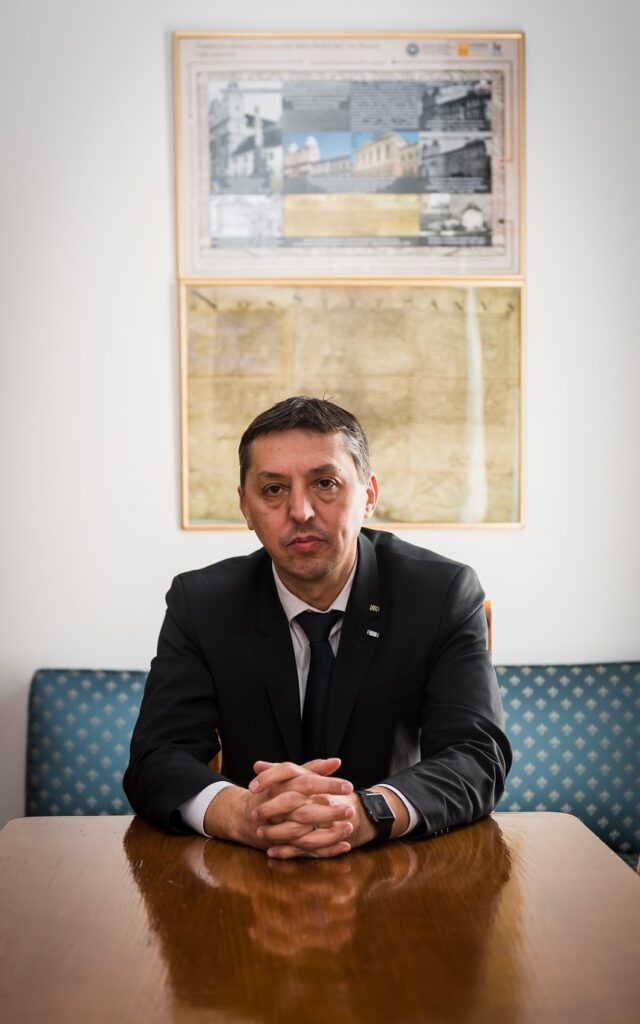
Prof. “Aaron T. Beck” Univ. Dr. Daniel DAVID
– DIRECTOR FONDATOR
Ştiinţe cognitive clinice/aplicate în psihopatologie (copil, adolescent, adult, vârsta a treia), diagnostic şi psihoterapii validate ştiinţific (raţional-emotive şi cognitiv-comportamentale) şi prin robotică (roboterapie) şi realităţi virtuale, analize multinivelare ale eficienței intervențiilor psihologie și analiza mecanismelor schimbării. Profesor univ. dr. asociat şi cu Icahn School of Medicine at Mount Sinai, New York, SUA
Cadrele Didactice şi de Cercetare ale Departamentului de Psihologie Clinică şi Psihoterapie:
Prof. “Aaron T. Beck” Univ. Dr. Daniel DAVID
– DIRECTOR FONDATOR
Ştiinţe cognitive clinice/aplicate în psihopatologie (copil, adolescent, adult, vârsta a treia), diagnostic şi psihoterapii validate ştiinţific (raţional-emotive şi cognitiv-comportamentale) şi prin robotică (roboterapie) şi realităţi virtuale, analize multinivelare ale eficienței intervențiilor psihologie și analiza mecanismelor schimbării. Profesor univ. dr. asociat şi cu Icahn School of Medicine at Mount Sinai, New York, SUA
– DIRECTOR DE DEPARTAMENT
Psihodiagnostic, psihodiagnostic validat ştiinţific, patologia copilului şi adolescentului

Prof. Univ. Dr. Aurora SZENTAGOTAI
– DIRECTOR ȘCOALA DOCTORALĂ
Psihologie clinică / Psihoterapie cognitiv-comportamentală, Psihologie pozitivă
– DIRECTOR CLINICA UNIVERSITARĂ DE PSIHOLOGIE
Sănătate mintală digitalizată, Psihologie clinică/Psihoterapie aplicată (ex: coaching cognitiv-comportamental) şi parenting


Psihologie clinică/Psihoterapie validată ştiinţific (cognitiv-comportamentală)
Metode avansate de cercetare; Robotică/roboterapie şi tehnologii virtuale şi aplicaţiile lor în promovarea sănătăţii


Psihologie clinică / Psihoterapie cognitiv-comportamentală, Psihologie pozitivă
Conf. Univ. Dr. Costina-Ruxandra POETAR
Psihologia familiei / Psihodiagnostic clinic și intervenții la copii/ Psihologia familiei și cuplului: aplicații judiciare/ Evaluare şi psihodiagnostic clinic aplicat în context judiciar


Practică clinică / Etică în psihologia aplicată/ Psihologie clinică judiciară
Lect. Univ. Dr. Răzvan PREDATU
Psihologie clinică/Psihoterapie cognitiv-comportamentală/Practică clinică/Coaching cognitiv-comportamental
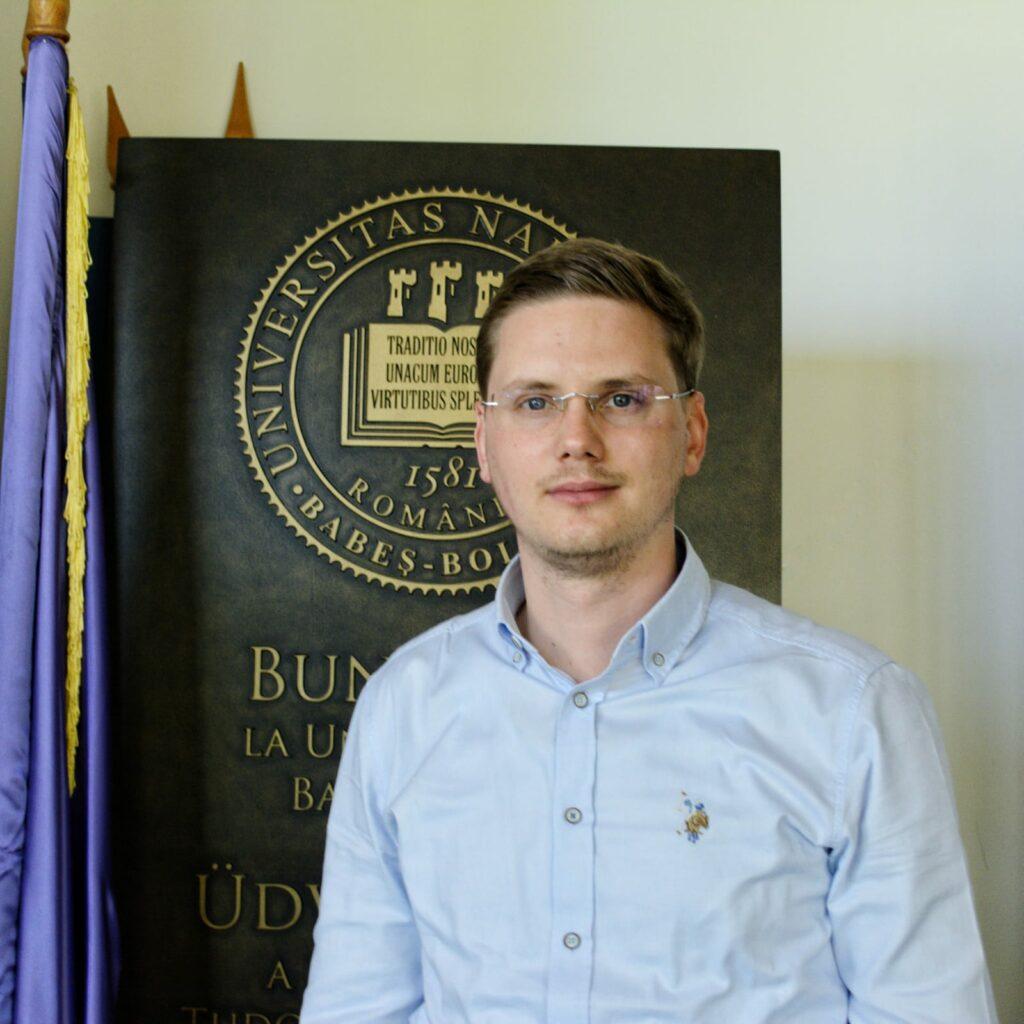

Lect. Univ. Dr. Lia-Ecaterina OLTEAN
Psihologie clinică, consiliere psihologică și psihoterapii individuale și de grup/ Psihologie pozitivă/ Psihoterapie cognitiv-comportamentală/ Practică (I, II)
Lect. Univ. Dr. Stelian FLOREAN
Evaluare psihologică II/ Quantitative Research Methods and Statistics I/ Psychological Assessment I–II.


Consiliere Genetică și Psihosomatică/ Psihologie Evoluționistă/ Practică (III, IV)/ Evolutionary Psychology (Cognitive science)
Metode Avasante de Cercetare I/ Științe Cognitive Clinice/ Metode Avasante de Cercetare II/ Metode Generale de Cercetare și Metodica Elaborării de Lucrări Științifice. Etică și Integritate Academică

Departamentul este organizat după standarde internaţionale, astfel încât unele persoane sunt angajate în regim temporar şi/sau complementar specialităţilor Departamentului. Acesta încurajează o fluctuaţie planificată de personal care duce la creşterea performanţei Departamentului, prin flexibilitatea şi expertiza cu care abordează noile dezvoltări în domeniu. Printre foștii și actualii colaboratori ai departamentului se numără:

Cândea, D., Stefan, S., Matu, S., Mogoase, C., Iftene, F., David, D., & Szentagotai, A. (2019). REBT in the treatment of subclinical and clinical depression. New York: Springer Nature.
David, D. (2015). Psihologia poporului român. Profilul psihologic al românilor într-o monografie cognitiv-experimentală.[The Psychology of the Romanian People. Romanian’s Psychological Profile in a Cognitive-Experimental Monography]. Iași: Editura Polirom.
David, D., Matu, S., & David, O. (2015). Psihologie si tehnologie. Fundamente de roboterapie și psihoterapie prin realitate virtuală.[Psychology and Technology. Fundamentals of Robotherapy and Psychotherapy through Virtual Reality] Iași: Editura Polirom.
David, D. (2006/2012/2017). Tratat de psihoterapii cognitive şi comportamentale. [Handbook of Cognitive-Behavioral Psychotherapies]. Iași: Editura Polirom.
David, D. (2006/2013). Psihologie clinică şi psihoterapie; Fundamente. [Clinical Psychology and Psychotherapy. Fundamentals]. Iași: Editura Polirom.
David, D. (2006). Metodologia cercetării clinice; Fundamente. [Clinical Research Methods. Fundamentals]. Iași: Editura Polirom.
David, D. (2003). Castele de nisip: Ştiinţă şi pseudoştiinţă în psihopatologie.[Castles in the Sand: Science and Pseudoscience in Psychotherapy]. Bucharest: Editura Tritonic.
David, D. (2000/2004/). Prelucrări inconştiente de informaţie.[Unconscious Information Processing]. Ed. 1 (2000, Cluj-Napoca: Editura Dacia); Ed. 2 (2004, București: Editura Tritonic).
Stefan, S., & David, D. (2021). Case formulation for complexity and co-morbidity in anxiety disorders and depression. In G. Todd & R. Branch (Eds.), Evidence-based treatment for anxiety disorders and depression: A cognitive behavior therapy compendium. Cambridge University Press.
David, D., Matu, S. A., & Cardos, R.A. (2020). Applications of Rational-Emotive and Cognitive-Behavior Technologies with children and adolescents. In M.E. Bernard & M.D. Terjesen (Eds.), Rational-Emotive and Cognitive-Behavioral Approaches to child and adolescent mental health: Theory, Practice, Research, Applications. New York: Springer Nature.
David, D., Cardoș, R., Cândea, D., Oltean, H., & Stefan, S. (2019). REBT in depressive disorders. In M.E. Bernard & W. Dryden (Eds.), REBT with diverse client problems and populations. New York: Springer Nature.
David, D., DiGiuseppe, R., Dobrean, A., Păsărelu, C.R., & Balazsi, R. (2019). The measurement of irrationality and rationality. In M.E. Bernard & W. Dryden (Eds.), Advances in REBT: Theory, practice, research, measurement, prevention, and promotion. New York: Springer Nature.
David, D., Lynn, S., & Montgomery, G.H. (Eds. 2018). Evidence-based psychotherapy: The state of science and practice. New York: Wiley-Blackwell.
Cândea D., David, D., & Szentagotai-Tătar, A. (2017). Evidence-based psychological interventions for eating disorders. In D. David, S. Lynn, & G. Montgomery (Eds.), Evidence based psychotherapy: The state of science and practice. New York: Wiley-Blackwell.
David, D., & Stefan, S. (2017). Eastern Europe. In Hofmann, S.G. (Ed.), International perspectives on psychotherapy. New York: Springer Nature.
Szentagotai-Tătar, A., & David, D. (2017). Evidence-based psychological interventions for bipolar disorder. In D. David, S. Lynn, & G. Montgomery (Eds.), Evidence-based psychotherapy: The state of science and practice. New York: Wiley-Blackwell.
David, D. (2015). Rational emotive behavior therapy. In R.L. Cautin & S.O. Lilienfeld (Eds.), Encyclopedia of clinical psychology. Hoboken, NJ: Wiley-Blackwell.
David, D., & Sava, F. (2015). Designs for Studying Mediation. In R.L. Cautin & S.O. Lilienfeld (Eds.), Encyclopedia of clinical psychology. Hoboken, NJ: Wiley-Blackwell.
David, D., & Freeman, A. (2015). Overview of cognitive-behavioral therapy of personality Disorders. In A.T. Beck, D.D. Davis, & A. Freeman (Eds.), Cognitive therapy of personality disorders, third edition. New York: Guilford Press.
Simut, R. Vanderborght, B., Pop, C., David, D., Vanderfaeillie, J., & Vanderborght, B. (2015). Social robots as mediators for social story intervention: Can the robot Probo encourage children with ASD to ask questions during playtime. In S. Douglas & L. Stirling (Eds.), Children’s play, pretense, and story: Studies in culture, context, and ASD. London: Routledge.
David, D. (2014). Rational emotive behavior therapy. Oxford Bibliographies.
David, D., Lynn, S. J., & Lama S. Das (2013). Self-acceptance in Buddhism and Psychotherapy. In M.E. Bernard (Ed.), The Strength of self-acceptance. New York: Springer Nature.
Szentagotai, A., & David, D. (2013). Self-acceptance and happiness. In M.E. Bernard (Ed.), The Strength of self-acceptance. New York: Springer Nature.
Gavita, O. A., DiGiuseppe, R., & David, D. (2013). Self-acceptance and the parenting of children. In M.E. Bernard (Ed.), The Strength of self-acceptance. New York: Springer Nature.
II. Articole Web of Science (Selecție)
Bartucz, M.B., & David, D. (2022). Irrational beliefs as a cognitive mechanism explaining the link between pathogen prevalence and individualism-collectivism. Journal of Rational – Emotive and Cognitive-Behavior Therapy. https://doi.org/10.1007/s10942-021-00441-z
Comșa, L.T., David, O.A., & David, D. (2021). Eating Behavior – Choice or reconstruction of past experience? A randomized clinical trial of changing eating intentions of healthy adults through hypnotic suggestions. Behavior Therapy, 53 (2), 323-333.
David, O.A., Cîmpean, A., Costescu, C., …Hickey, M., & David, D. (2021). Effectiveness of outpatient Rational Emotive Behavior Therapy over one decade. American Journal of Psychotherapy, 74(4), 157–164.
Nechita, D.M., Bud, S., & David, D. (2021). Shame and eating disorders symptoms: A meta-analysis. International Journal of Eating Disorders, 54(11), 1899–1945.
Milea, I., Cardoş, R. A., & David, D. (2021). The map of cognitive processes in boredom: multiple mediation models. Behavioural and Cognitive Psychotherapy, 49(4), 441-453.
David, D., Dobrean, A., Păsărelu, C.R. et al. (2020). Psychotherapy, Atomoxetine or both? Preliminary evidence from a comparative study of three types of treatment for Attention-Deficit/Hyperactivity Disorder in children. Cognitive Therapy and Research, 45, 149–165.
Fodor, L. A., Georgescu, R., Cuijpers, P., Szamoskozi, Ş., David, D., Furukawa, T. A., & Cristea, I. A. (2020). Efficacy of cognitive bias modification interventions in anxiety and depressive disorders: A systematic review and network meta-analysis. The Lancet Psychiatry, 7(6), 506-514.
Billing, E., Belpaeme, T., Cai, H., Cao, H. L., Ciocan, A., Costescu, C., David, D…, & Ziemke, T. (2020). The DREAM Dataset: Supporting a data-driven study of autism spectrum disorder and robot enhanced therapy. PloS one, 15(8), e0236939.
Comșa, L., David, O., & David, D. (2020). Outcomes and mechanisms of change in cognitive-behavioral interventions for weight loss: A meta-analysis of randomized clinical trials. Behaviour Research and Therapy, 132, 103654.
Predatu, R., Voinescu, B. I., & David, D. (2020). The role of emotion regulation difficulties in the relation between insomnia and depressive symptoms. International Journal of Behavioral Medicine, 27(6), 615-622.
Stefan, S., & David, D. (2020). Mindfulness in therapy: A critical analysis. International Journal of Clinical and Experimental Hypnosis, 68(2), 167-182.
Predatu, R., David, D., & Maffei, A. (2020). The effects of irrational, rational, and acceptance beliefs about emotions on the emotional response and perceived control of emotions. Personality and Individual Differences, 155, Article 109712. https://doi.org/10.1016/j.paid.2019.109712
Predatu, R., David, D., & Maffei, A. (2020). Beliefs about emotions, negative meta-emotions, and perceived emotional control during an emotionally salient situation in individuals with emotional disorders. Cognitive Therapy and Research, 44 (2), 287-299.
David, O.A., & David, D. (2019). Managing distress using mobile prescriptions of psychological pills: a first 6-month effectiveness study of the PsyPills app. Frontiers in Psychiatry, 10, 201.
Montgomery, G. H., Force, J., Dillon, M. J., David, D., & Schnur, J. (2019). The Effect of an online lecture on psychosocial cancer care providers’ attitudes about hypnosis. Psychology of Consciousness: Theory, Research, and Practice, 6(3), 320–328.
Stefan, S., Cristea I., Szentagotai Tatar, A., & David, D. (2019). Cognitive‐behavioral therapy (CBT) for generalized anxiety disorder: Contrasting various CBT approaches in a randomized clinical trial. Journal of Clinical Psychology, 75(7), 1188 – 1202.
Voinescu, A., & David, D. (2019). The effect of learning in a virtual environment on explicit and implicit memory by applying a process dissociation procedure. International Journal of Human–Computer Interaction, 35(1), 27–37.
David, D. (2018). About the irrationality of the health field. Frontiers in Psychiatry, 9, 126.
David, D., Bizo, A., Cimpean, A. I., Oltean, H., Cardoș, R., Soflau, R., & Negut, A. (2018). The effect of research method type on stereotypes’ content: a brief research report. The Journal of Social Psychology, 158(3), 379-392.
David, D., Costescu, C.A., Matu, S., Szentagotai, A., & Dobrean, A. (2018). Developing joint attention for children with autism in robot-enhanced therapy. International Journal of Social Robotics, 10(5), 595 – 605.
David, D., Cotet, C., Matu, S., Mogoase, C., & Stefan, S. (2018). 50 years of rational-emotive and cognitive-behavioral therapy: a systematic review and meta-Analysis. Journal of Clinical Psychology, 74(3), 304 – 318.
David, D., Cristea, I., & Hofmann, S. G. (2018). Why cognitive behavioral therapy is the current gold standard of psychotherapy. Frontiers in Psychiatry, 9(4), 1-2.
David, D., Stefan, S., & Terraciano, A. (2018). Cognitive-behavioral therapy in the cross-cultural context: An extension of the standard paradigm from individual to country/culture level – A brief introduction into a new research line. Journal of Rational-Emotive & Cognitive-Behavior Therapy, 37(2), 172–184.
Fodor, L., Cotet, C., Cuijpers, P., Szamoskozi, S., David, D., & Cristea, I. (2018). The effectiveness of virtual reality based interventions for symptoms of anxiety and depression: a meta-analysis. Scientific Reports, 8(1), 1-13.
Şoflău, R., & David, D. O. (2018). The impact of music-based rational-emotive and cognitivebehavioral education on positive and negative emotions: a preliminary investigation in ecological conditions. Journal of Rational-Emotive & Cognitive-Behavior Therapy, 36(1), 89-97.
Cristea, I., Stefan, S., Karyotaki, E., David, D., Hollon, S., & Cuijpers, P. (2017). The falling effect of cognitive behavioral therapy for depression is probably a fluke: A revision of Johnsen & Friborg (2015). Psychological Bulletin, 143 (3), 326– 40.
Cardoş, R. A., David, O. A., & David, D. (2017). Virtual reality exposure therapy in flight anxiety: a quantitative meta-analysis. Computers in Human Behavior, 72, 371-380.
David, D., Matu, S. A., David, O. A., & Terracciano, A. (2017). The role of cognitive discrepancy between perception of national character and personality in the functioning and adaptation of 46 countries: an exploratory study. Cross-Cultural Research, 51(4), 412-430.
Gentili, C., Cristea, I. A., Ricciardi, E., Vanello, N., Popita, C., David, D., & Pietrini, P. (2017). Not in one metric: neuroticism modulates different resting state metrics within distinctive brain regions. Behavioural Brain Research, 327, 34-43.
Neguț, A., Jurma, A. M., & David, D. (2017). Virtual-reality-based attention assessment of ADHD: ClinicaVR: Classroom-CPT versus a traditional continuous performance test. Child Neuropsychology, 23(6), 692-712.
Oltean, H. R., & David, D. O. (2017). A meta‐analysis of the relationship between rational beliefs and psychological distress. Journal of Clinical Psychology, 74(6), 883-895.
Oltean, H. R., Hyland, P., Vallières, F., & David, D. (2017). An empirical assessment of REBT models of psychopathology and psychological health in the prediction of anxiety and depression symptoms. Behavioural and Cognitive Psychotherapy, 45(6), 600-615.
Şoflău, R., & David, D. (2017). A meta-analytical approach of the relationships between the irrationality of beliefs and the functionality of automatic thoughts. Cognitive Therapy and Research, 41(2), 178-192.
Sucala, M., Cuijpers, P., Muench, F., Cardoș, R., Soflau, R., Dobrean, A., … & David, D. (2017). Anxiety: there is an app for that. A systematic review of anxiety apps. Depression and Anxiety, 34(6), 518-525.
Coteț, C., & David, D. (2016). The truth about predictions and emotions: two meta-analyses of their relationship. Personality and Individual Differences, 94, 82–91.
David, D., Matu, S., Mogoașe, C., & Voinescu, B. (2016). Integrating cognitive processing, brain activity, molecules and genes to advance evidence-based psychological treatment for depression and anxiety: from cognitive neurogenetics to CBT-based neurogenetics. Journal of Rational-Emotive & Cognitive-Behavioral Therapy, 34(3), 149-168.
Mogoase, C., David, D., & Dumitrascu, D. (2016). Irrational beliefs and attention bias towards symptoms-related stimuli in maintaining gastrointestinal symptoms: results from a pilot study. Journal of Rational-Emotive & Cognitive-Behavioral Therapy, 34(2), 110-113.
Podina, I.R., Mogoase, C., David, D., & Dobrean, A. (2016). A meta-analysis on the efficacy of technology mediated CBT for anxious children and adolescents. Journal of Rational-Emotive & Cognitive-Behavioral Therapy, 34(1), 31-50.
Coeckelbergh, M., Pop, C., Simut, R., Peca, A., Pintea, S., David, D., & Vanderborght, B. (2015). A survey of expectations about the role of robots in robot-assisted therapy for children with ASD: ethical acceptability, trust, sociability, appearance, and attachment. Science and Engineering Ethics, 22(1), 47–65.
Everaert, J., Mogoase, C., David, D., & Koster, E. (2015). Attention bias modification via singlesession dot-probe training: failures to replicate. Journal of Behavioral Therapy and Experimental Psychiatry, 49, 5-12.
Podina, I., Popp, R., Pop, I., & David, D. (2015). Genetic correlates of maladaptive beliefs: COMT VAL 158 MET and irrational cognitions linked depending on distress. Behavior Therapy, 46(6), 797- 808.
Cristea, I. A., Valenza, G., Scilingo, E. P., Szentágotai Tătar, A., Gentili, C., & David, D. (2014). Autonomic effects of cognitive reappraisal and acceptance in social anxiety: evidence For common and distinct pathways for parasympathetic reactivity. Journal of Anxiety Disorders, 28(8), 795–803.
David, D., Matu, S., & David, O. A. (2014). Robot-based psychotherapy: concepts development, state of the art, and new directions. The case of robot-based cognitive behavior therapy. International Journal of Cognitive Therapy, 7(2), 192-210.
Gavita, O. A., David, D., & DiGiuseppe, R. (2014). You are such a bad child! Appraisals as mechanisms of parental negative and positive affect. The Journal of General Psychology, 141(2), 113-129.
Mogoase, C., David, D., & Koster, E. H. (2014). Clinical efficacy of attentional bias modification procedures: an updated meta-analysis. Journal of Clinical Psychology, 70(12), 1133–1157.
Montgomery, G.H., David, D., Kangas, M., Green, S., Sucala, M., Bovbjerg, D.H., Hallquist, M.N., & Schnur, J.B. (2014). A randomized clinical trial of a cognitive-behavioral therapy plus hypnosis intervention to control fatigue in breast cancer radiotherapy patients. Journal of Clinical Oncology, 32(6), 557–563.
Cristea, I.A., Matu, S., David, D., & Szentagotai, A. (2013). The other side of rumination: reflective pondering as a strategy for regulating emotions in social situations. Anxiety, Stress and Coping, 26(5), 584-594.
Cristea I.A., Montgomery G., Szamoskozi S., & David D. (2013). Key constructs in “classical” and “new wave” cognitive behavioral psychotherapies: Relationships among each other and with emotional distress. Journal of Clinical Psychology, 69(6), 584-599.
David, D., Matu, S. A, & David, O. A. (2013). New directions in virtual reality-based therapy for anxiety disorders. International Journal of Cognitive Therapy, 6(2), 114-137.
Moldovan, R., Cobeanu, O., & David., D. (2013). Cognitive bibliotherapy for mild depressive symptomatology: randomised clinical trial of efficacy and mechanisms of change. Clinical Psychology and Psychotherapy, 20(6), 482–493.
Podină, I.R., Koster, E.H.W., Philippot, P., Dethier, V., & David, D. (2013). Optimal attentional focus during exposure in specific phobia: a meta-analysis. Clinical Psychology Review, 33(8), 1172-1183.
Stefan, S., & David, D. (2013). Recent developments in the experimental investigation of the illusion of control. A meta-analytic review. Journal of Applied Social Psychology, 43(2), 377–386.
Stefan, S., & David, D. (2013). The functions of worry and its relation to performance in controllable and uncontrollable situations. Cognition and Emotion, 27(3), 521-529.
Cosman, I., Macavei, B., Sucala, M., & David, D. (2012). Rational and irrational beliefs and coping strategies among Transylvanian Holocaust survivors: an exploratory analysis. Journal of Loss and Trauma, 18(2), 179-194.
Cristea, I. A., Szentagotai Tatar, A., Nagy, D., & David, D. (2012). The bottle is half empty and that’s bad, but not tragic: differential effects of negative functional reappraisal. Motivation and Emotion, 36(4), 550–563.
Gavita, O.A., Capris, D., David, D., & Bolno, J. (2012). Anterior cingulate cortex findings in child disruptive behavior disorders: A meta-analysis. Aggression and Violent Behavior, 17(6), 507–513.
Gavita, O.A., David, D., Bujoreanu, S., Tiba, A., & Ionuţiu, D.R. (2012). The efficacy of a short cognitive-behavioral parent program in the treatment of externalizing behavior disorders in Romanian foster care children: Building parental emotion-regulation through unconditional selfand child-acceptance strategies. Children and Youth Services Review, 34(2), 1290–1297.
Opris, D., Pintea, S., García-Palacios, A., Botella, C., Szamoskozi, S., & David, D. (2012). Virtual reality exposure therapy in anxiety disorders: a quantitative meta-analysis. Depression and Anxiety, 29(2), 85-93.
Sucala, M., & David, D. (2012). Slowing down the clock. A review of experimental studies investigating psychological time dilation. Journal of General Psychology, 139(4), 230–243.
Vanderborght, B., Simut R., Saldien J., Pop C.A., Rusu A.S., Pintea S., Lefeber D., & David D. (2012). Using the social robot Probo as social story telling agent for children with ASD. Interaction Studies: Social Behaviour and Communication in Biological and Artificial Systems, 13(3), 348–372.
David, D., & Montgomery, G. H. (2011). The scientific status of psychotherapies: a new evaluative framework for evidence-based psychosocial interventions. Clinical Psychology: Science and Practice, 18(2), 89-99.
Gavita, O.A., David, D., & Joyce, M. R. (2011). Bringing together the disciplining with the accepting parent: Cognitive-behavioral parent programs for the treatment of child disruptive behavior. Journal of Cognitive Psychotherapy, 25(4), 240-256.
Sohl, S., Schnur, J., Sucala, M., David, D., Winkel G., & Montgomery, G. H. (2011). Distress and emotional well-being in breast cancer patients prior to radiotherapy: An expectancy-based model. Psychology & Health, 27(3), 347-361.
Montgomery, G.H., Hallquist, M.N., Schnur, J.B., David, D., Silverstein, J.H., & Bovbjerg, D.H. (2010). Mediators of a brief hypnosis intervention to control side effects in breast surgery pacients: response expectancies and emotional distress. Journal of Consulting and Clinical Psychology, 78(1), 80-88.
Szentagotai, A., & David, D. (2010). The efficacy of cognitive-behavioral therapy in bipolar disorder; a quantitative meta-analysis. Journal of Clinical Psychiatry, 71(1), 66-72.
Montgomery, G.H., Kangas, M., David, D., Hallquist, M.N. et al. (2009). Fatigue during breast cancer radiotherapy: an initial randomized study of cognitive-behavioral therapy plus hypnosis. Health Psychology, 28(3), 317-322.
Sava, F., Yates, B., Lupu, V., Szentagotai, A., & David, D. (2009). Cost-effectiveness and costutility of cognitive therapy, rational emotive behavior therapy, and Fluoxetine (Prozac) in treating depression: A randomized clinical trial. Journal of Clinical Psychology, 65(1), 36-52.
David, D. (2008). Duplication spreads the word to a wider audience. NATURE, 452 (7183), 29.
David, D., Szentagotai, A., Lupu, V., & Cosman, D. (2008). Rational emotive behavior therapy, cognitive therapy, and medication in the treatment of major depressive disorder: A randomized clinical trial, posttreatment outcomes, and six-month follow-up. Journal of Clinical Psychology, 64(6), 728-746.
Schnur, J.B., Bovbjerg, D., David, D. et al. (2008). Hypnosis decreases presurgical distress in excisional breast biopsy patients. Anesthesia and Analgesia, 106(2), 440-444.
David, D. (2007). Quo Vadis CBT? Trans-cultural perspectives on the past, present, and future of cognitive-behavioral therapies: interviews with the current leadership in cognitive-behavioral therapies. Journal of Cognitive and Behavioral Psychotherapies, 7, 171-217.
DiLorenzo, T.A., David, D., & Montgomery, G.H., (2007). The interrelations between irrational cognitive processes and distress in stressful academic settings. Personality and Individual Differences, 42(4), 765-776.
Montgomery, G.H., Bovbjerg, D.H., Schnur, J.B., David, D. et al. (2007). A randomized clinical trial of a brief hypnosis intervention to control side effects in breast surgery patients. Journal of National Cancer Institute, 99(17), 1304-1312.
David, D., Montgomery, G.H., & Bovbjerg, D.H. (2006). Relations between coping responses and optimism-pessimism in predicting anticipatory psychological distress in surgical breast cancer patients. Personality and Individual Differences, 40(2), 203-213.
David, D., & Szentagotai, A. (2006). Cognition in cognitive-behavioral psychotherapies; toward an intergrative model. Clinical Psychology Review, 26(3), 284-298.
David, D., Montgomery, G.H., Macavei, B., & Bovbjerg, D. (2005). An empirical investigation of Albert Ellis’ binary model of distress. Journal of Clinical Psychology, 61(4), 499-516.
David, D. (2004). Special issue on the cognitive revolution in clinical psychology: beyond the behavioral approach-conclusions: toward an evidence-based psychology and psychotherapy. Journal of Clinical Psychology, 60(4), 447-451.
David, D., Montgomery, G.H. et al. (2004). Discriminatiopn between hopes and expectancies for nonvolitional outcomes. Psychological phenomenon or artefact? Personality and Individual Differences, 36(8), 1945-1952.
David, D., Miclea, M., & Opre, A. (2004). The information-processing approach to the human mind: basics and beyond. Journal of Clinical Psychology, 60(40), 353-369.
David, D., Schnur, J., & Birk, J. (2004). Functional and dysfunctional emotions in Ellis’ cognitive theory; An empirical analysis. Cognition and Emotion, 18(6), 869-880.
David, D., & Brown, R. (2003). The impact of different directed forgetting instructions on implicit and explicit memory: new evidence from a modified process dissociation procedure. Quarterly Journal of Experimental Psychology, 56(2), 211-233.
David, D., Montgomery, G.H., & Holdevici, I. (2003). Romanian norms for the Harvard Group Scale of Hypnotic Susceptibility, Form A. International Journal of Clinical and Experimental Hypnosis, 51(1), 66-77.
Montgomery, G.H., David, D., et al. (2003). Is hoping the same as expecting? Discrimination between hopes and response expectancies for nonvolitional outcomes. Personality and Individual Differences, 35(2), 399-409.
Montgomery, G.H., David, D., Goldfarb, A. B., Silverstein, J.H., Weltz, C.R., Birk, J.S., & Bovbjerg, D.H. (2003). Sources of anticipatory distress among breast surgery patients. Journal of Behavioral Medicine, 26(2), 153-163.
David, D., & Brown, R. (2002). Suggestibility and negative priming: two replications studies. International Journal of Clinical and Experimental Hypnosis, 50(3), 215-280.
David, D., Moore, M., & Domuta, A. (2002). Romanian psychology on the international psychological scene: a preliminary critical and empirical approach. European Psychologist, 7(2), 153-160.
Montgomery, G.H., David, D., Winkel, G., Silverstein, J. H., & Bovbjerg, D. H. (2002). The effectiveness of adjunctive hypnosis with surgical patients: a meta-analysis. Anesthesia & Analgesia, 94(6), 1639-1645.
Programare pe baza de e-mail: daniel.david@ubbcluj.ro

Costina-Ruxandra POETAR este conferențiar universitar în cadrul Departamentului de Psihologie Clinică și Psihoterapie al Facultății de Psihologie și Științe ale Educației, Universitatea Babeș-Bolyai. A obținut titlul de doctor în psihologie în anul 2016 în cadrul Școlii doctorale Psihodiagnostic și intervenții psihologice validate științific cu teza “Intervenții transdiagnostic livrate prin intermediul tehnologiei”.
Interesele sale de cercetare vizează: intervențiile validate știinţific adresate copiilor, adolescenţilor şi adulţilor, psihologia familiei și cuplului, intervențiile livrate prin intermediul tehnologiei (interventii online, computerizate, aplicații pe telefonul mobil, intervenții livrate în realitatea virtuală).
E-mail: costinapoetar@psychology.ro
Luni: 15:00 – 17:00 – pe bază de programare prealabilă pe email
Adresă de contact: Strada Republicii 37, 400015, Cluj-Napoca, Romania
Email: costinapoetar@psychology.ro
International papers indexed in Web of Science:
2024
2023
2022
2021
2020
2019
2018
2017
2016
BDI indexed papers
B. Book chapters
International
National
Tabloul sănătății mintale în România
Diana Nechita este conferențiar universitar doctor la Departamentul de Psihologie Clinică și Psihoterapie din cadrul Universității Babeș-Bolyai, Cluj-Napoca. Este psiholog clinician și psihoterapeut cognitiv-comportamental acreditat de Colegiul Psihologilor din România și de Institutul Albert Ellis, New York.
Interesele sale de cercetare sunt legate de tratamentele psihologice validate științific și de emoțiile autoreferențiale și relația lor cu psihopatologia (tulburări afective și de anxietate, tulburări de comportament alimentar), cu accent pe strategiile de reglare ale acestor emoții.
Vineri: 10:00 – 12:00 – pe bază de programare prealabilă pe email
Adresă de contact: Strada Republicii 37, 400015, Cluj-Napoca, Romania
Email: diananechita@psychology.ro